“Strawberry Lane” – (Short Film Review)

https://www.youtube.com/watch?v=GVW5zE0EDVM

By Andrew Buckner
Rating: ***** out of *****.

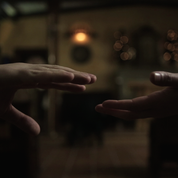
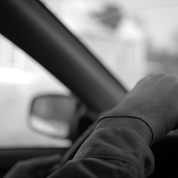
“Strawberry Lane” (2016), the outstanding and enigmatic twenty-three minute and fifteen second debut from writer-directors Jeremy Arruda and Aaron Babcock, is thematically and visually designed to unnerve. Arruda and Babcock have created a living nightmare on celluloid. This is via a collection of sinisterly striking images. All of which, even down to the otherwise simplistic visage of the child’s doll and ventriloquist’s dummy casually spied in the second half, are guaranteed to linger in the subconscious long after they are viewed. The upshot of these brilliantly delivered constituents is undoubtedly an extension of horror in its purest sense. We, the audience, are continually made to feel uncomfortable, apprehensive and alarmed. Yet, we are wholly engaged and intrigued throughout. This is by the notions and scenarios that are unfolding. Likewise, those that could potentially be right around the corner. In an era where most related yarns are more than content to go the safe route, with jump scares and routine motions galore, Arruda and Babcock give us a presentation of credible, sobering and unwavering darkness. It is one that is anything but predictable. The unsettling quote from American serial killer Albert Fish glimpsed in the opening moments set the clinical atmosphere and violent chain of events which are to follow quickly and proficiently.

Adding to the tonal ingenuity at hand, this wonderfully creepy concoction derives heavy inspiration from avant-garde maestro David Lynch, most notably Eraserhead (1977), as well as the chairman of many controversial comedies, John Waters. The eerily erected commencing and closing credits, made increasingly incredible and unflinchingly bizarre by the deliberately old-fashioned music from Arruda, make this point sharply evident. Such augments an endlessly intense, marvelously macabre impression. It is one which pulsates proudly through every frame of the proceedings. Such beautifully mirrors the exploitation features of the 1970’s. This is with Tobe Hooper’s quintessential masterpiece, The Texas Chain Saw Massacre (1974), frequently coming to the forefront. Yet, the anti-heroes that pose as our leads are appropriately repulsive, menacing and impossibly mesmerizing. Such is in the tradition of the best cinematic villains. The duo of murderers who form this uncommon “love story”, as it is declared in the sub-title of the depiction, Harry Meyland (in a performance by Kris Salvi that is terrific) and Billy (in an enactment by Justin Thibault that is just as accomplished as that of Salvi) summon a certain parallel to Hannibal Lecter and Buffalo Bill. Such iconic entities were found in Jonathan Demme’s Best Picture Academy Award- winning  The Silence of the Lambs (1991). These aforesaid mirrors to the past also provide an undercurrent of nostalgia to the piece. Such makes the overall feel of the labor akin to watching a long-lost classic for the first time.

strawberry-lane-pic-3

All of this is punctuated, memorably and appropriately, by an extended, ardently gut-wrenching and impressive finale. Such readily calls to mind the oft banned invention of fright, Nekromantik (1987), from German auteur Jorg Buttgereit. The combination of these influences results in an artistically satisfying and courageous endeavor. Such is especially true when considering that these sights are set within the haunting, gorgeously gritty cinematography conducted by Babcock. This is also an undeniably potent display of the behind the lens capabilities Arruda and Babcock encompass. Their tough, taut and meticulously paced script, co-authored by Dave Orten, compliments these attributes splendidly. Arruda and Babcock utilize a uniquely fashioned, boldly constructed narrative. It is one that wisely leaves as much to the captivated psyche to ponder as it paints explicitly blood red. The team craft sparsely delivered, but authentic, dialogue. Such casts a painstaking eye for believability in all details of the effort. The plot, which contains just a touch of pulp, is gripping. Such makes the undertaking seamless; a deft exhibition of raw, uncompromising aptitude.

Arruda and Babcock chronicle an unexpected conflict that erupts with the introverted transvestite Harry Meyland. He is a psychotic maniac. More specifically, one who abducts and slaughters the women of the local Magdalene Escort Service. This act is made more dangerous by the fact that it is where he is employed. All the while, the near demonic sounding voice of his mother (exceptionally issued by Arruda) guides him along. Yet, he encounters a grave challenge. This is as Billy, who delights in the same fatal indulgences, takes Harry’s work into his own hands. What starts as a competition between Harry and Billy soon evolves into a strange affinity; one that is as strangely absorbing and twisted as the fiction itself.

strawberry-lane-pic-4

The composition also benefits from other various components that are just as attention-garnering. Crystal Correa is phenomenal as Trisha. Geneve Lanouette is just as astounding in her turn as The Captive Woman. Carlo Barbieri III, Arruda and Kristen McNulty play Masked Figure 1-3 respectively. Their presence is unforgettable. They are seen fleetingly in an assembly of surprising instances which are heavily reminiscent of Bryan Bertino’s criminally underrated The Strangers (2008). Such apparently random illustrations hypnotically reinforce the brute, jarring strength of the visuals herein. A death sequence that transpires in the beginning minutes, worthy of Hitchcock in conception and delivery, only reaffirm this trait. Such is greatly enhanced by the slickly constructed editing Arruda and Babcock invoke.

Shot over the course of two years, this Zeta Wave Productions release is guaranteed to be a new favorite of fellow genre addicts. More importantly, it signifies the arrival of a tremendous pair of filmmakers. Both of whom have an obvious admiration for and wide-reaching knowledge of the history of moving picture terror. Best of all, they are equally versed in how to evoke fear and confidently, expertly project it on-screen. “Strawberry Lane” confirms this at every turn. The outcome of this is an astonishing tour de force; a brief affair that is far more satisfying, evocative and in-depth than most full-length exertions. That only offers further proof of their photographic command. Because of this, I greatly anticipate what gruesome marvels Arruda and Babcock bring to life in upcoming collaborations.

strawberry-lane-pic-2

“Trouser Snake” – (Short Film Review)

ts-pic-2

By Andrew Buckner
****1/2 out of *****.

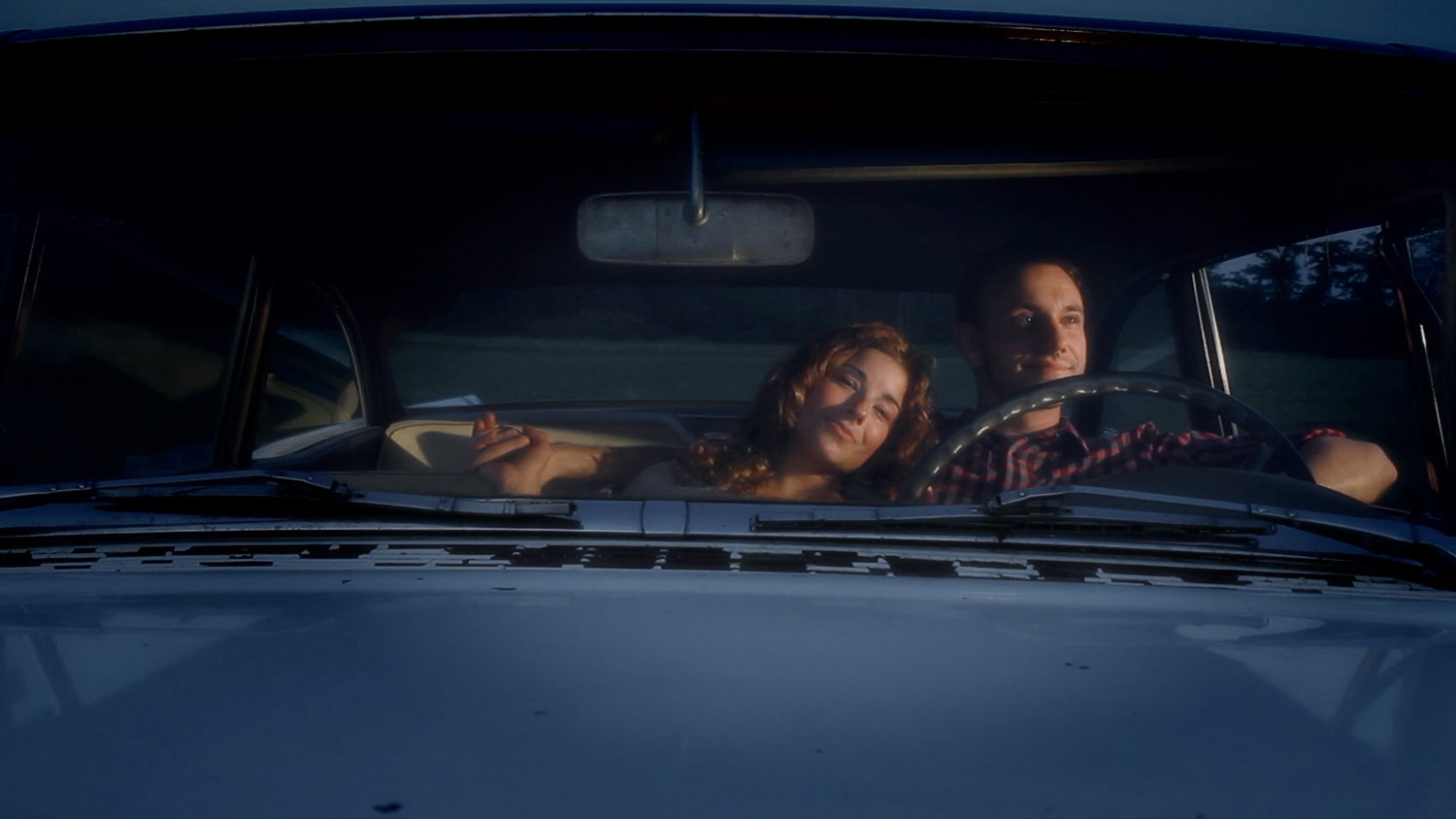
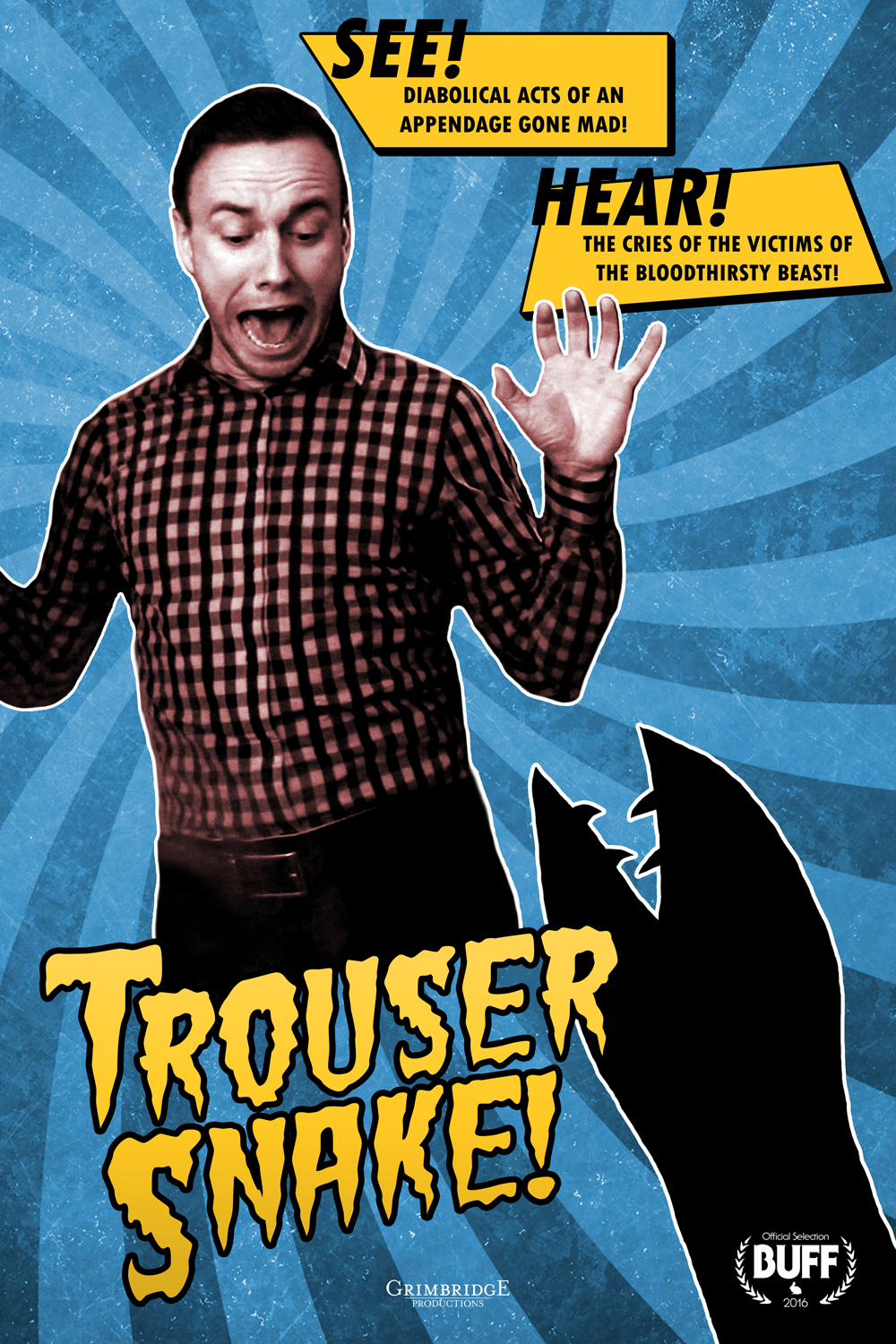
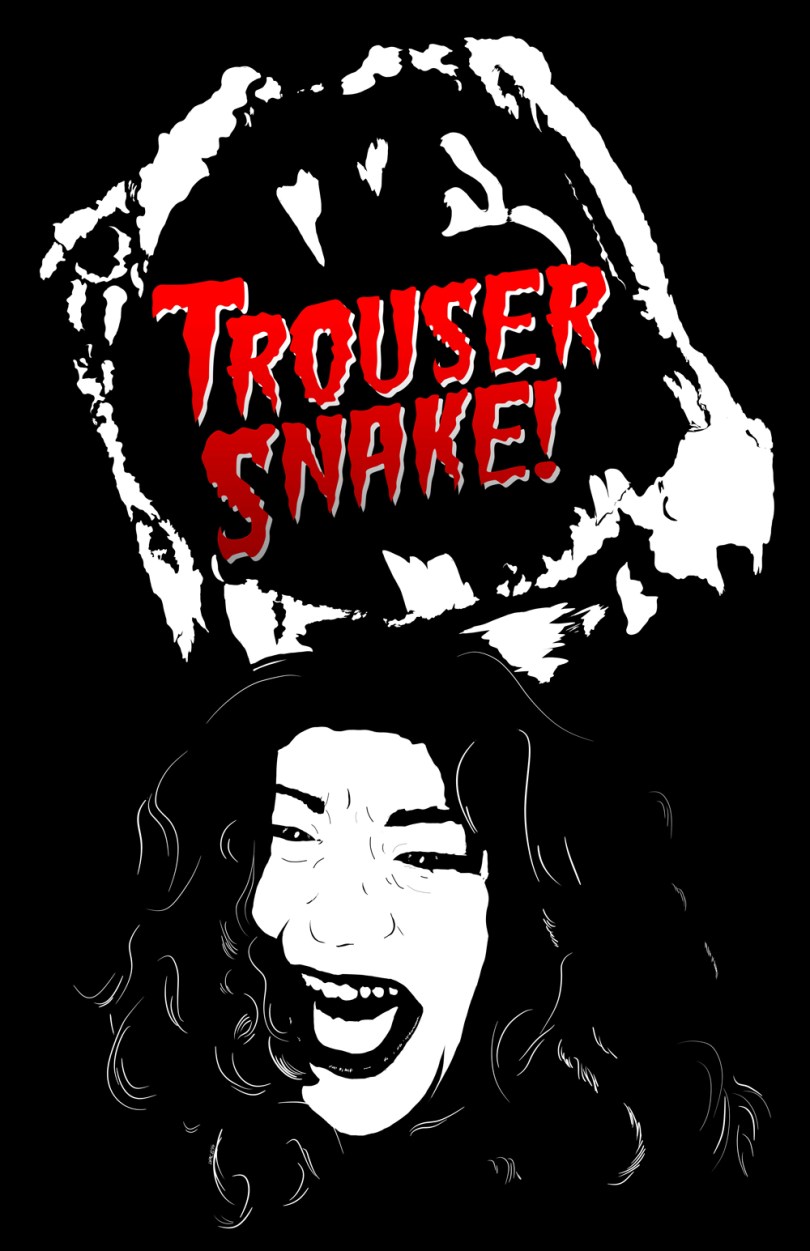
Trouser Snake (2016), the third short film from director and co-writer Alex DiVincenzo (2014’s “The Horrors of AutoCorrect” and 2016’s “Cybershock 1999”), plays as if the overblown “science” and informatory threats fashioned as lesson learning which made Refer Madness (1936) such a cult gem were repackaged as a deliberately uproarious 1950’s style creature feature. This is with the subject diverting from the purportedly “violent” dangers of marijuana. Such was the case illustrated to great comedic effect in the abovementioned Louis Gasnier directed and Arthur Hoerl penned presentation. DiVincenzo makes literal the idea of the “monster” that rises from the male anatomy. This is when said individual is confronted with an apparently unanticipated hormonal and sexual control. It is one which augments the naïve confusion of the teenage years. Such becomes the plight of our perplexed protagonist, Thomas (in a spot-on portrayal by Alexander Gauthier). All of this surfaces consequently to an extended bout of making out in a car with Thomas’ girlfriend, Lucy (in a phenomenal turn from Jamie Lyn Bagley). Such ensues at that notorious place in celluloid where such events always seem to stem from: Lover’s Lane.

DiVincenzo employs a variety of wildly triumphant jokes that pinpoint the outdated nature of Thomas’ gullibility. Most noteworthy of which is a brilliant sequence at nearly three minutes into DiVincenzo’s four minute and forty-nine second undertaking. This is from what can be perceived as a modern perspective. Such is derived during a family dinner. In this episode, Thomas tries to have an open discussion with his family concerning his current plunge into adulthood. It is at this point his much younger sibling, credited simply as “Sister” (in a terrific depiction by Morgan Walsh), says in a matter of fact manner: “Even I know about the birds and the bees, Thomas.”

ts-pic-3

This gag is undoubtedly amusing. Yet, it is a number involving the sudden slanting of a table that comes immediately after Sister’s words that is the centerpiece of the entire segment. Such also endures as one of the most successfully hilarious instances visible throughout the runtime. Another thematically linked highlight arrives both before and prior to a spectacularly issued, black and white post-credits sequence. This latter stated item concludes with the announcement, which I sincerely hope DiVincenzo makes good upon, that the “Trouser Snake will return in ‘Bride of Trouser Snake’ “. These already mentioned guffaws are exceedingly clever. They are also among the best uses of the amorous parallel DiVincenzo utilizes with the presence of the antagonistic fiend of this enterprise spied throughout this Grimbridge Productions release. Such instances are as cringe-worthy as they are, in various usages of the term, climactic.

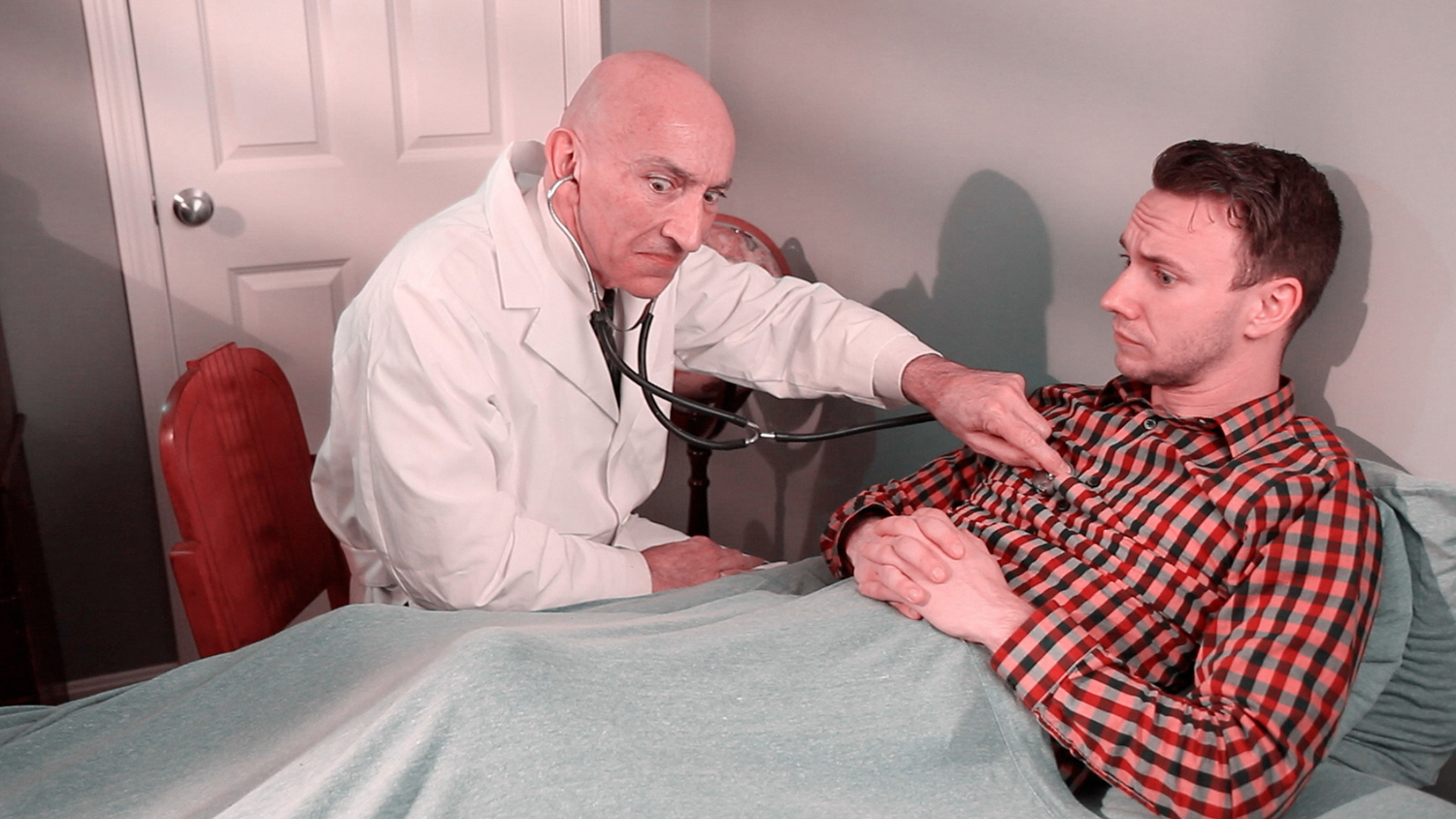
Made for a mere $100, DiVincenzo’s invention is boosted by another outstanding, gleefully tongue-in-cheek performance. This is from Michael Thurber. He enacts Thomas’ specialist, Dr. Mason. Thurber bends the character in the ways of many associated clinicians from both the decade and genre DiVincenzo models his tour de force after. Such is orchestrated both readily and engagingly. He delivers exposition, most of which the audience is already informed of, with a merry, knowing wink to his unseen spectators all along. Such makes the scenes he is in sing with a heightened layer of underlying wit. This matches the tone of the piece beautifully. William DeCoff as Thomas’ father, Hugo, and Monica Saviolakis as Thomas’ mother, Joy, also offer similarly astounding depictions. The result is a herculean effort that is made incredible by the stalwart essence of those on-screen.

ts-pic-4

The brief affair is also graced with an appropriately cheery, splendidly done veneer. The look of the endeavor is like that of a classic, monochrome motion picture. Particularly, one that was colorized before being broadcast on late night cable television. Such cinematography, courtesy of Jill Poisson and DiVincenzo, further enhances the B-movie correspondence DiVincenzo proudly strives for throughout the exertion. DiVincenzo’s editing, script (co-authored by James Cilano) and general guidance of the project is sharp and masterful. The story is conservative, but fulfilling, in its construction. Such transpires as DiVincenzo and Cilano tell the tale through several connected sequences. These are often exited and quickly returned to at seemingly random intervals. Such fleshes out the saga as satisfactorily as any full-length fiction. It also provides a non-linear, artistic streak to the proceedings. Such intensifies the well-rounded sum of the attempt. The same can be spoken of Cilano’s musical influence. Such is an endlessly enjoyable mixture of antiquated terror and melodrama. Furthermore, Adam Parchesky’s sound is tremendous. Jordan Pacheco’s puppeteering of the title entity, and other effects, are skillfully orchestrated. Like all the other technical elements we encounter in DiVincenzo’s latest, with gaffer John Mosetich and his leadership of the proficient camera and electric work chiefly among them, these articles jump out at us and demand our attention.

But, what is most charming of all is how easy it is to see droves of youth lining up to see “Trouser Snake”, and its promised sequel, as part of a weekend double feature at the drive-in. When reflecting upon the epoch the account is set in, the illusion cast by this ardent homage is smirk-inducing and complete. This is nostalgia of the best variety. It stays true to the trappings, the general arc and stereotypes of related outings. Still, it wins us over. This is, primarily, with the obvious affinity for the early Roger Corman/ Ed Wood Jr. brand of cinema DiVincenzo has attached to his narrative. With the support of an intriguingly designed beast, a wonderful and apt cast, a fluent pace and an entertainment level that never wavers: DiVincenzo has crafted a genuine knockout.

ts-cover-pic-1

“Trinity” – (Movie Review)

trinity 8

By Andrew Buckner
Rating: ***** out of *****.

Trinity (2016), the outstanding eighty-three minute feature debut from writer and director, Skip Shea, is what is most properly described as a “Lynchian nightmare”. It is an endlessly eerie and effortlessly unsettling endeavor; a journey through the psyche that perfectly blurs what is real and what is imagined. Such is conveyed with quiet, underplayed power. This is through the medium of Shea’s imaginative, genuinely eye-popping and undeniably haunting images. Such punctuates its grimly poetic, highly symbolic underpinnings masterfully. In turn, this attribute only greatly enhances its grand effect.

trinity 1

What is just as remarkable is the distinct rhythm to these phantasmagorias throughout. What makes this detail all the more spectacular is that they are frequently wrapped around intelligent, scholarly conversations. These concern art, religion, Italian proverbs, scripture and the quoting of renowned minds from the past. This gives the piece, released through Racconti Romani Produzioni and Wicked Bird Media, an increasingly intellectual atmosphere. It blends masterfully with the surreal marvels and insights Shea often summons. This detail is utilized incredibly well with the various themes woven into the narrative. It also helps us see our surroundings as Michael is: as a curious but somewhat naïve youth. Shea also focuses with tremendous and intense results on the lingering psychology and aftermath of such events on the victim. This gives us a window into our traumatized lead, Michael (in a courageous, always-watchable and magnificently realized performance by Sean Carmichael). It also acts as a delicate balance between the human and the horrific aspects of this wonderfully challenging work of cinema.

trinity 2

Shea tells a true tale. It focuses in on Michael meeting up with Father Tom (in an enactment by David Graziano that is occasionally vulnerably, often domineering, bold and appropriately creepy) at a coffee shop in New England. Father Tom sexually mistreated Michael, who is now an artist, as a boy. With this awkward, and unexpected, confrontation, the sentiments Michael repressed and tried to keep at bay unveil. Almost immediately, these feelings come again to the forefront. As he later journeys through three churches, an engrossing representation of Michael’s cerebral venture as a whole, Michael comprehends still and remembers the hold Father Tom had on him. It is projected regularly on-screen with chill-inducing power. With this impression, Shea builds the bulk of a picture as a terrifying meditation on the lasting hurt and ever-building torment Father Tom has caused. As we, the audience, move deeper into Michael’s brain the harder it becomes to judge what is accruing now and what has happened before. Than we begin to ponder an equally horrific thought: what if it is, in some fashion or another, beginning to transpire all over again?

trinity 3

It is this emotive impetus which Shea uses brilliantly throughout the film. Not only does this get us to know the character, and those which surround him, exceptionally well but, it creates a terrific imprint of Michael’s singular perspective. Similarly, this component keeps our fascination mounting through the entirety. This sensation of stepping inside the life and deliberations of our protagonist is echoed with a Kubrickian aesthetic habitually through the affair. This is immediately noticeable in the opening moments. Here, we see several well-executed sequences of Michael going about his daily routine. This is as the classic guise of Michael’s voice as narrator offers Michael’s exclusive commentary on casual subjects. One of these is what winter is like where he resides. In the commencing minutes where this occurs, we are drawn in by Michael’s everyday likability. We are just as mesmerized by the natural tranquility and beauty, complete with gorgeous shots of the luminous veneer of piled snow on the ground, which is made all the more hypnotic by Nolan Yee’s gorgeous cinematography. But, when the concluding instances align themselves to these serene commencing bits, it is held in a far darker, more brooding respect. It is in these near-final seconds that we realize just how phenomenally Shea has let us explore the battered recesses of Michael’s inner-workings. Such also lends another bit of the repetition of reflective snapshots so prevalent herein. All of this is evidence of Shea’s stylistic bravado. Furthermore, it is proof of his absolute command of form present in every challenging frame found within this spellbinding tour de force.

trinity 4

Shea keeps the pace even and appropriate through the duration. His screenplay is just as impressive and meditative as his ground-breaking and taunt direction. He gives us believable dialogue, motivations and a realistic platform for his gradually rug-pulling, horror show feat. Despite the aforementioned recurrence of some visions, all we encounter always comes off as fresh and new. In fact, this return makes the sum of Shea’s vehicle all the more like an ever-turning melody in a ghastly, but beautifully engineered, song; a ballad of one man’s tragic childhood circumstances being brought back to light. Such an illusion is made all the more potent by the remarkably funereal music courtesy of Steven Lanning-Cafaro. This particular item courses further effective dread through the soundtrack.

trinity 5

Lynn Lowry is great as Michael’s Mother. Jennifer Gjulameti fares just as Michael’s Spirit Guide. Diana Porter as Sam, Maria Natapov as Maria, Anthony Ambrosino as Nick and Susan T. Travers as Susan are all transcendent in their respective roles. The same can be said for the rest of the cast. Likewise, Shea’s editing is splendidly issued. Phil ‘Skippy’ Adams, Diane Pimentel and Jessica O’ Brien lend a seamless make-up contribution. The sound department produces crisp, solid work. Adams’ special effects are just as seamless and mightily impressive.

trinity 6

Shea’s feature is personal, painful and punishing. It is also intimate and sincere. This is the type of undertaking that mechanizes spectacularly on all levels. In the process, it successfully brings to the surface a multitude of sentiments. From learning Michael so deeply as this raw, unflinching experience moves along, we undergo the same gambit of emotions as Michael himself. This is proof of the movie’s triumph centrally as a drama. Visually, technically and expressively, this demands spectators’ time, reflection and attention. Trinity is fulfilling on all levels. Though it undoubtedly challengers its viewers, it is in the best way imaginable. Such makes the results of this incredible opus of real-life terror all the more potent, immediate and necessary. This is moving art as an example of individual examination and catharsis at its most memorable. Shea has crafted an absolute masterpiece.

trinity 7

“Sky’s the Limit” – (Short Film Review)

sky's the limit pic 2

By Andrew Buckner
Rating: ****1/2 out of *****.

When we first meet Jason (a charismatic, genuine and beautifully honed portrayal by Timothy J. Cox), the lead from first time writer and director April Schroer’s “Sky’s the Limit”, the balance between family man and recently widowed father is perfectly displayed. He is visibly distracted. It is easy to detect that there is a high level of stress, hints of anger even, beneath his always calm exterior. The individual is spied typing away on his laptop. He is searching online messages. All the while he is only partially listening to what his son, Frankie (a strong and vulnerable depiction, perfect for the material, by Joseph Di Stefano) is saying. The signals, cries of attention from Frankie, appear initially lost on Jason. That is until a playful, imaginative game fills the duo with joy. It is this note which makes the second half, where Jason meets Kaitlin (a sharply rounded and authentically honed representation by Monica Servellon) so quietly powerful.

As the story goes on, it is uncovered that Frankie’s babysitter, Rebecca, is unavailable. From herein, the youth tags along on his dad’s date. It is during these later scenes, both natural and skillfully executed, so pivotal. Here, the audience begins to further sense the unspoken tug of war Jason has within. This is with his decision on which priority is more important to him: the role of parent to Frankie or lover to newly met Kaitlin. His final choice is as underplayed as all that came before it. Such heightens the dramatic beauty ebbing and flowing beneath its transcendent, vibrant slice of life surface. The result is a dynamically developed, breezily paced tale. It is one complimented by genuine dialogue and same-said events. Moreover, it is graced with tremendous performances. The outcome of such is a herculean marvel. It is one that is both fully satisfying and illuminating. Ultimately, it is the consistent believability on-screen, a mirror to existence itself Schroer holds throughout the endeavor, which makes these elements all the more stalwart.

Such is the impetus which thrusts forth the everyday comedic bits. It makes them all the more engaging and likable. These are all beautifully assembled. Refreshingly, the use of humor is not so heavily applied that it ever appears forced or betrays the realism Schroer has successfully accomplished. There is also a poignant, sobering emotive resonance beneath it all. It is one which is lightly, proficiently issued.

Schroer’s fantastic direction and smartly written screenplay never demonstrates the need to underline the sentimentally intense instances. Instead, it is as if we are a silent partner. This is most noteworthy as Jason greets Kaitlin at the door to initiate their date. Such is especially accurate during the climactic movie theater sequence. This is where Jason mentally assesses which definition of love is most important to him. Additionally, this is all entertainingly and convincingly distributed. The fact that such is done in a tightly-knit runtime of seven minutes and thirty-one seconds is all the more awe-inspiring.

With an estimated budget of only $1,000, this is also a technical gem. It looks and feels like an expensive, polished big budget product. Tom Mika’s cinematography is splendid. It supplements the tangible veneer emanating from all other aspects of the effort spellbindingly. Mika and Schroer’s editing fares just as well. Georges Estrella and Filip Ilic’s sound is crisp and spectacularly fashioned. The uncredited music utilized is phenomenal. It fits the brief production’s tone gloriously. To add to the quality at hand, Ryan Moore is incredible in his quick turn as Sky King.

Filmed in Montclair, New Jersey the composition is a joy to behold. There’s a joviality, an innocence lurking beneath the frames. It is one that is as admirable as it is necessary. This is a terrific, heartfelt account. It serves as the reminder to those of us who may see some of ourselves in the rendering of Jason. Such is to disconnect from the workaday world which dominates us. Furthermore, to focus our energies where true importance lies. This message Schroer delivers in a manner that is as understated as all that is previously witnessed. Much like these other attributes, such an action makes it all the more potent, pivotal and prevailing. This is a fantastic, intelligent and masterfully constructed undertaking. It is one I highly recommend you experience yourself.

sky's the limit 3