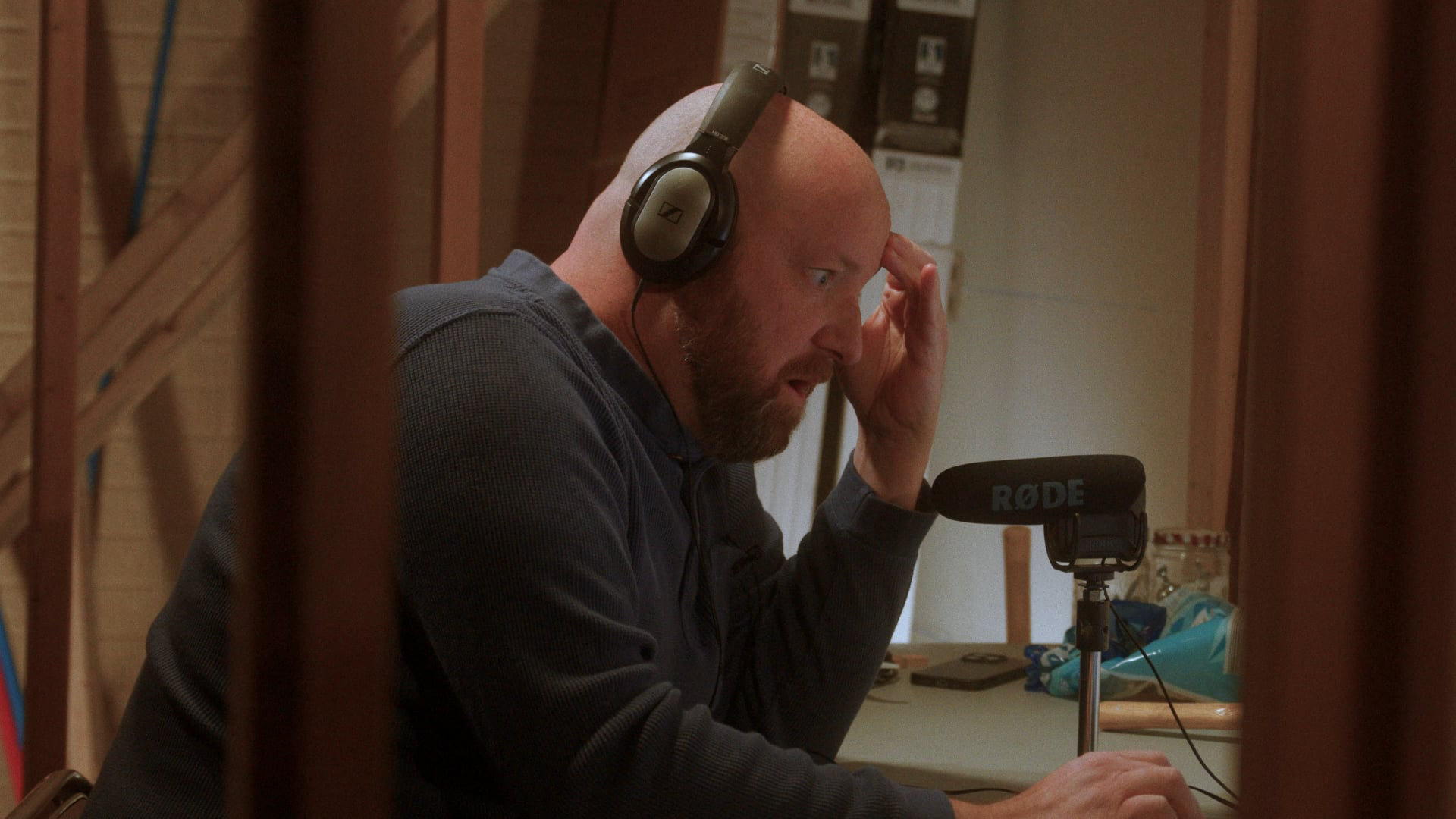
A generally one-setting horror outing that plays like a trivia version of James Wan’s masterpiece, Saw (2004), Trivial (2024), from writer-director-co-star James L. Edwards, is a twisty, knife-sharp cinematic nightmare. The 103-minute effort captivates with its game show-style questions and answers, smooth pace, and remarkable gore and make-up effects. Edwards’ production also incorporates a mesmerizing, massively entertaining turn from Sasha Graham as the wonderfully unhinged host of the title-referenced program, Laurel Edmonds. The aforementioned contributions from Edwards, both behind of and in front of the camera, are just as proficient.
Edwards’ portrayal of Dean Mathers is engrossing and credible. Moreover, his guidance of the affair is sturdy and stylish. Nonetheless, he never lets his prowess for imagery overwhelm the telling of his tale. Edwards’ screenplay is confidently erected. It’s also filled with believable dialogue and sufficient character focus and development. My only problem in this arena is that many of the backstories and hidden secrets of these central figures are slowly teased-out in a manner that has become routine for endeavors of this ilk.
Edwards chronicles five individuals who are made to partake in an online quiz show helmed by Edmonds. With no idea why they are there, the unwilling participants in the program soon find out that a violent death will be the punishment for losing against their opponent. Winners advance to the next round, where the same threat hangs over their heads if they do not triumph once more. As these players begin to unravel why they have been chosen to be a part of this fatal contest, they realize that fear isn’t the only elevated emotion that Trivial will bring to the surface.
Wisely told in a straightforward, effective fashion, Edwards’ consistently engaging plot starts out on a riveting note and rarely loses its momentum. It also concludes with a fittingly thrilling climax. Though the themes in Trivial aren’t particularly groundbreaking, they do mechanize well within the context they are presented within the parameters of the picture. Likewise, the surprises are often unexpected and finely delivered. Most notably, there is an impressive narrative curveball around the forty-five-minute mark that admirably seems to have taken cues from a certain major storyline shift in Alfred Hitchcock’s masterpiece, Psycho (1960).
The arrangement also benefits from gritty yet intimate cinematography from Gordon Cameron, which aptly matches the tone of the project. Further assisting matters is the tight, skillful editing from Larry Dubose. Additionally, the implementation of sound in the configuration is sharp and clear. The entire cast is also uniformly excellent. This is with Drew Fortier and Rick Jermain offering memorable depictions as Brian Sands and Randy Durden, respectively.
Boosted by its frequent use of black and white, circa 1950’s game show footage, which heightens the bizarre and unnerving feel of the endeavor while brilliantly mirroring Edmonds’ fractured mindstate, Edwards has crafted a tense and immersive cinematic rollercoaster ride. The opening credit sequences are atmospheric and visually spectacular. Continually, the post-credit sequences, which run throughout the bulk of the equally enjoyable closing credits, help thoroughly flesh-out Edward’s account. It also adds new inquiries and levels of intrigue to the composition.
Alongside being exceptionally well-made, Trivial is fascinating and frightening. It is also fully satisfying. With his latest opus, Edwards has gleaned a monumental ode to the power of independent filmmaking. It’s one of the best works of its type this year.
*Please note that the inclusion of the feature films on this list is based upon the criteria of an official release date of 2024 in the United States.*
50. Wildcat
Director: Ethan Hawke
49. Out of Darkness
Director: Andrew Cumming
48. The Beekeeper
Director: David Ayer
47. You’ll Never Find Me
Directors: Josiah Allen, Indianna Bell
46. Stopmotion
Director: Robert Morgan
45. Abigail
Directors: Matt Bettinelli-Olpin, Tyler Gillett
44. Irena’s Vow
Director: Louise Archambault
43. Gasoline Rainbow
Directors: Bill Ross IV, Turner Ross
42. Wicked Little Letters
Director: Thea Sharrock
41. The Taste of Things
Director: Tran Anh Hung
40. Infested
Director: Sebastien Vanicek
39. A Most Atrocious Thing
Directors: Christian Hurley, Ben Oliphint
38. Frogman
Director: Anthony Cousins
37. Land of Bad
Director: William Eubank
36. Bloodline Killer
Director: Ante Novakovic
35. In a Violent Nature
Director: Chris Nash
34. Freud’s Last Session
Director: Matthew Brown
33. Do Not Expect Too Much from the End of the World
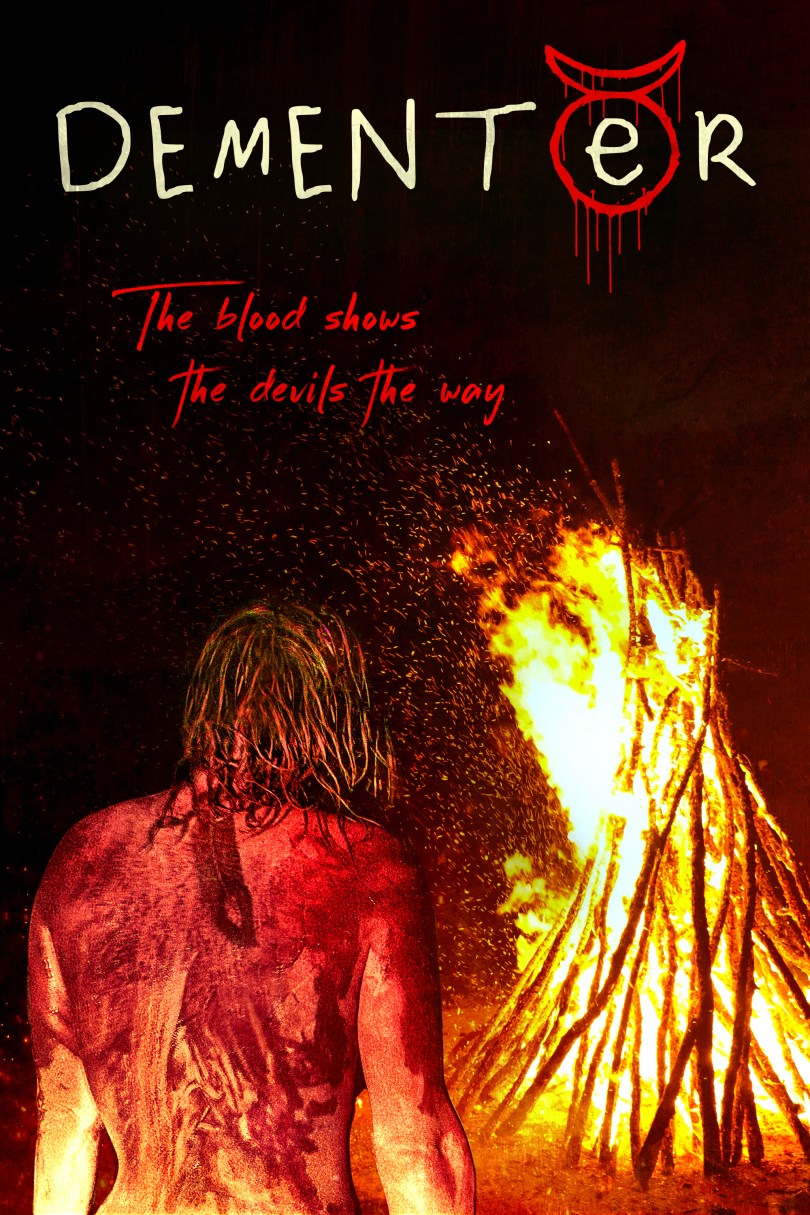
Dementer (2020), from writer-director Chad Crawford Kinkle, establishes an expertly crafted tone of sinister menace, most readily expressed in a perceptibly hand-drawn commencing credits segment, in its opening moments. This sense of uncomfortable, impending doom remains unbroken for every one of its eighty minutes. What also makes the masterful atmosphere that permeates the work so impressive is that it is infused with a similarly well-done air of mystery. This primarily stems from the motivations of the lead character, Katie (in a fantastic and compelling turn from Katie Groshong). It is a question that is playfully teased, with genuinely haunting bits of flashbacks which add to the enigma at hand, throughout the efficient and effective feature.
The plot revolves around Katie embarking on a job. It is one that has her taking care of individuals with special needs. She soon finds herself assisting a resident of her new occupation, Stephanie (Stephanie Kinkle). Yet, there are undertones of darkness to the kindness Katie shows Stephanie. As reoccurring memories of escaping a terrifying spectacle take hold of Katie, her increasingly unpredictable actions make this unspecified wickedness more palpable. What is worse is that they seem to be directing their control over Katie to put Stephanie in danger.
This engaging and superbly developed narrative leads to a conclusion that is as unnerving and unforgettable as the film constantly leads viewers to imagine it will be. It is a powerful punctuation point. Such is one that makes this ominous puzzle-box horror outing, filled with indelible and eye-popping imagery, evermore brilliant. This is especially when considering how sharply everything has been put together.
What I also admired was the documentary-like veneer of many of the scenes. This is especially noteworthy in the stretches where Katie is going about her daily life. For example, the instances early-on where she is being interviewed by her latest employer. This is also reflected just as noticeably when she is performing her duties in her current career. It blends beautifully with the surreal glimpses of intense fear which push us to the finale.
The screenplay from Kinkle is top-notch. Continually, his direction is slyly stylish. What is evermore worthy of appreciation is that this element is never so overdone that it takes away from the admirable foremost concentration on weaving the tale at hand. Moreover, the characters from Kinkle are sufficiently developed and organic. His dialogue is also incredibly authentic and natural sounding. These ingredients certainly help make Dementer an incredibly believable and immersive experience.
This convincing quality is also reflected in the casting. Larry Fessenden is terrific, as always, as the wicked Larry. Brandy Edmiston as Brandy and Stephanie Kinkle are also excellent in this regard. The visually and tonally appropriate cinematography from Jeff Wedding is equally astounding. The music from Sean Spillane is superb. Furthermore, the same said editing from Chad Crawford Kinkle heightens these remarkable values.
In turn, the most recent cinematic exercise from Chad Crawford Kinkle is dazzling, dark, disturbing, and confidently paced. It reminded me of The Blair Witch Project (1999). This is in the way it memorably designs an all-too real feeling of foreboding and increasing underlying suspense. The effort is a knockout. It is a wonderful accumulation of talent in front of and behind the camera. Dementer is destined to endure as one of the best pictures of the year.
VHS Forever? Psychtronic People (2014) from writers and directors, Darren J. Perry and Mark Williams, is a remarkably fascinating, endlessly enjoyable, and compulsively watchable love letter to low-budget horror films, videos, video stores, and the myriad individuals who understood their endearing appeal. It is also a study in the ridiculous lengths the government, the Motion Picture Association of America, and related personages would go to conceal these daring types of art. The 110-minute documentary is filled with intriguing and intimate true life narratives that revel in the former and rightfully vilify the latter. Yet, it is just as much a riveting glimpse into what goes into the production of the title technology. It also operates just as well as a fantastic glimpse into some of the daily fears video buyers and store owners had during the days of the ‘Video Nasties’. A term coined in the United Kingdom in 1982, this refers to a list of often misunderstood terror and exploitation films, like Meir Zarchi’s I Spit on Your Grave (1978) and Sam Raimi’s The Evil Dead (1981), that were banned for their graphic nature. These previously stated brilliant and bold masterpieces are frequently discussed in the picture. This docket of controversial cinema, and the attraction the record had to collectors, is a subject the bulk of the feature unveils with tremendous depth and insight.
These bits give the project a magnificent symmetry and variety. This is as it expounds upon its core theme of the interest derived from VHS. Particularly, the “dangerous” cinematic wonders that may be held within each one. Yet, what functions just as well in Perry and Williams’ endeavor are the lively and charismatic interviews from the creative minds, many of whom are fellow writers and/or moviemakers, who discourse so passionately on the topic at hand. Their stories are infectiously relatable and always engaging. This is most noteworthy in the segments involving Troma Studios co-founder, Lloyd Kaufman. His consistently amusing conversations on the various releases, promotional methods, and censorship troubles of The Toxic Avenger (1984) are a constant highlight. Another section I vastly relished occurs around the fifteen-minute mark. It is an anecdote involving a VHS copy of Pier Paolo Pasolini’s essential and unforgettable swan song, Salo, or the 120 Days of Sodom (1975).
What also heightens my affection, as well as the sheer fun, radiating from the development is that there are even a few successful running gags throughout the venture. Among them is the wind being deemed “Psychotronic interference”. Moreover, the overall aesthetic of the exercise works perfectly in a similar regard. It calls to mind the look of early VHS. This is a dazzling touch. It is one which reiterates the distinct charm found in the cassettes so ardently touched upon in Perry and Williams’ undertaking.
In turn, VHS Forever? Psychotronic People is a must-see for anyone remotely concerned about film, its early home distribution forms, and its history. The labor has obvious esteem for its topic. Regardless, it does not shy away from stating some of the less desirable qualities of VHS with an underlying air of eager reverence. These hints make for an even more open, honest, and varied experience. This refreshing frankness helps make this gem worth seeking out with all the enthusiasm and merriment a collector would search for that one rare, elusive, uncut ‘Video Nasty’ on VHS. Perry and Williams’ feature is pure nostalgic joy.
*This list is dedicated to the many theaters that were closed or permanently shutdown this year due to the COVID-19 pandemic. Without your ever-comforting presence a pivotal part of the one-of-a-kind artistry, understanding, and universal joy inherent in the cinematic experience will be forever erased.
*Please note that the inclusion of the films in this list are based on an initial 2020 U.S. release date.
100. Cadaver Director: Jarand Herdal.
99. Nobody Sleeps in the Woods Tonight Director: Bartosz M. Kowalski.
98. Vampires vs. the Bronx Director: Osmany Rodriguez.
97. Unhinged Director: Derrick Borte.
96. Nocturne Director: Zu Quirke.
95. Have a Good Trip: Adventures in Psychedelics Director: Donick Cary.
94. His House Director: Remi Weekes.
93. The Phenomenon Director: James Fox.
92. Notzilla Director: Mitch Teemley.
91. May the Devil Take You Too Director: Timo Tjahjanto.
90. Impetigore Director: Joko Anwar.
89. Relic Director: Natalie Erika James.
88. The Rental Director: Dave Franco.
87. Dead Life: Wormwood’s End Director: William Victor Schotten.
86. Antebellum Directors: Gerard Bush, Christopher Renz.
85. Host Director: Rob Savage.
84. The Mortuary Collection Director: Ryan Spindell.
83. The Honeymoon Phase Director: Phillip G. Carroll Jr.
82. Skyman Director: Daniel Myrick.
81. Bill & Ted Face the Music Director: Dean Parisot.
80. Tesla Director: Michael Almereyda.
79. Porno Director: Keola Racela.
78. Save Yourselves! Directors: Alex Huston Fischer, Eleanor Wilson.
77. Cut Throat City Director: RZA.
76. Alone Director: John Hyams.
75. Elephant Directors: Mark Linfield, Vanessa Berlowitz, Alastair Fothergill.
74. Close Encounters of the Fifth Kind: Contact Has Begun Director: Michael Mazzola.
73. Why Don’t You Just Die! Director: Kirill Sokolov.
72. An English Haunting Director: Charlie Steeds.
71. The Gentlemen Director: Guy Ritchie.
70. VFW Director: Joe Begos.
69. First Love Director: Takashi Miike.
68. Extra Ordinary Directors: Mike Ahern, Enda Loughman.
67. Bit Director: Brad Michael Elmore.
66. Gretel & Hansel Director: Oz Perkins.
65. #Alive Director: II Cho.
64. The Invisible Man Director: Leigh Whannell.
63. Come to Daddy Director: Ant Timpson.
62. Snatchers Directors: Stephen Cedars, Benji Kleiman.
61. We Summon the Darkness Director: Marc Meyers.
60. 1BR Director: David Marmor.
59. The Lodge Directors: Severin Fiala, Veronika Franz.
58. Time Warp: The Greatest Cult Films of All-Time Volume 1 Midnight Madness Director: Danny Wolf.
57. Comic Book Junkies Directors: Lenny Schwartz, Nathan Suher.
56. Sputnik Director: Egor Abramenko.
55. Tigertail Director: Alan Yang
54. A Secret Love Director: Chris Boln.
53. Far from Perfect: Life Inside a Global Pandemic Directors: Lenny Schwartz, Nathan Suher.
52. Blow the Man Down Directors: Bridget Savage Cole, Danielle Krudy.
51. Uncle Peckerhead Director: Matthew John Lawrence.
50. Rent-A-Pal Director: Jon Stevenson.
49. The Platform Director: Galder Gaztelu-Urrutia.
48. Scare Package Directors: Courtney Andujar, Hillary Andujar, Anthony Cousins, Emily Hagins, Aaron B. Koontz, Chris McInroy, Noah Segan, Baron Vaughn.
The winner of multiple awards from film festivals across the United States, director and editor Patricia Chica’s “A Tricky Treat” is a brilliant, seamless blend of genuinely effective horror and magnificently macabre dark comedy. The quite graphic effects and makeup work is an impressive highlight throughout the three-minute and 11-second project. Moreover, the performances, script and perfectly constructed tone help make this wonderfully warped narrative a true gem for the Halloween season. It’s endlessly intriguing and efficient; wall-to-wall entertaining and delightfully bizarre.
Synopsis:
A man is kidnapped by an unusual family. Things get even worse when he realizes that two children are in control of his fate. It is, as the YouTube description for the work states, “A shocking tale of the unexpected with a twist.”
26-Second Trailer for the Film:
YouTube Link For the Film in Full:
* All films shown in this festival are used with the kind permission of the filmmakers themselves.
AWordofDreams.com site owner and writer, Andrew Buckner, has just received his first acceptance into a film festival!
“Mower Vengeance: From Grass to Flesh” (2020), a fake black and white movie trailer about a murderous lawn mower that runs 41 seconds and was made entirely by Buckner in his backyard, will be a part of the Weird Local Virtual Film Festival’s latest gala of “super short films” (all a minute or less). It will play with the other selected projects for said cinematic celebration starting at 8p.m. on October 24th, 2020. The event will be online at Weird Local Virtual Film Festival’s YouTube channel. A link for which can be found at the link below.
Weird Local Virtual Film Festival YouTube Channel:
New York born Writer-director Jared Cohn delivers a beautifully made, splendidly acted and engrossing take on an oft utilized concept in Devil’s Domain (2016). Cohn’s invention concerns a cyber-bullied teenager, Lisa (in a compelling performance from Madi Vodane that immediately and continuously draws sympathy from audience patrons). Frustrated by the torment that she undergoes daily, and a video of our central figure that only makes our central figure more of a target for harassment, Lisa meets an appealing stranger online. She initially states that her name is Destiny (in a hypnotic and superb enactment from Linda Bella). Almost immediately Destiny reveals herself to be The Devil. Drawn into the powerful and seductive promise of having her desires fulfilled, Lisa makes a deal with Destiny. The promise soon turns to tragedy. This is as Lisa’s peers find themselves the unwilling victim of this unholy pact.
Despite the familiarity inherent in the general plot, Cohn’s feature never feels predictable or overdone. Such is a courtesy of Cohn’s competent pace. It is also the consequence of his terrific balance of characterization and story. The horror sequences, especially a third act arrangement involving Lisa watching someone who recently confessed her feelings to our protagonist being hit by a car, are all effectively staged and tremendously executed. Cohn also implements a finale that shares the generally tried and true sensation of the tale itself. Yet, still it arises as a potent punctuation point to this memorable thrill ride. It also serves as a necessary extension of where the narrative appears to be naturally headed.
Such an ability to turn tropes into triumphs is the result of Cohn’s masterful, ever-taunt guidance of the project. His script, which is immersed in realistic dialogue and motivations, provides a consistently solid backbone to this celluloid exhibition. The photoplay is also made increasingly stalwart by Josh Maas’ atmospheric and striking cinematography. Additionally, Rob Pallatina’s editing is seamless and sharp. Correspondingly, the special effects are so credible that they greatly enhance the believability of what we are watching on-screen. Furthermore, unlike many similar genre efforts of the day, there isn’t an overreliance on these filmmaking illusions to mount intensity or culminate dread. This is another indicator of the sheer craftsmanship at hand.
Also, assisting matters are the top-notch depictions. Michael Madsen is especially good as Lisa’s compassionate and understanding stepfather, Bill. The music from Iggy & The Stooges, DMX and Onyx, reiterates both the tone and the overall beats of the affair uniquely and spectacularly. Likewise, the piece casually ebbs and flows eye-catching style. This is evident instantly in an opening credits sequence that is filled with comic book-like renderings of the leads. This is paired with Satanic symbols and images. The section is capped off by excellent animation work from Devin J. Dilmore. In turn, this bit calls to mind the bravura cinematic flash of a Gallo feature from legendary Italian moviemaker Dario Argento. This visceral flare, and alignment to the aforesaid maestro, is recaptured in the variety of imaginative and grisly kill scenes found throughout the labor. The outcome of these elements is a gripping and ever-immersive example of all-around talent; a brilliant tour de force. See Devil’s Domain when it is released in limited theaters and on video on demand on May 30th, 2017.
Runtime: 92 minutes and 48 seconds.
Distribution Company: The Orchard.
Production Company: Cleopatra Films, Cleopatra Records.
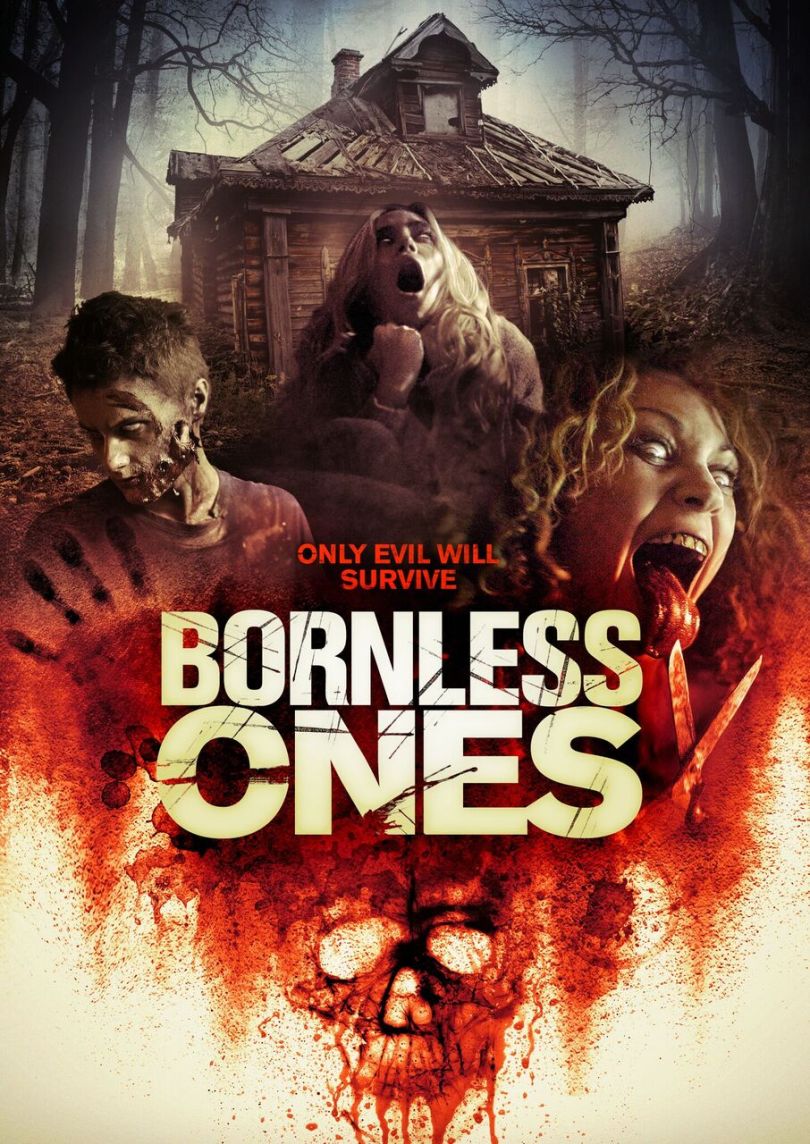
Bornless Ones (2016), the eighty-minute full-length feature debut from writer-director Alexander Babaev, summons the spirit of Sam Raimi’s seminal horror classic, The Evil Dead (1981), spectacularly well. Respecting the foundation laid down by Raimi, Babaev has crafted a rollercoaster ride of gore. It is one which is propelled by increasingly ghastly coincidences. Furthering this parallel is that these fearful events revolve around a batch of ruthless demons. All of whom are summoned to a secluded cabin the woods. Additionally, Babaev’s structure and general build-up of the presentation, alongside the previously stated mechanisms of the tried and true plot, are also reminiscent of Raimi’s tale. This is with the first half of the endeavor being more character-oriented. To its further favor, it is also noticeably well-mounted. In this early section, Babaev, whose direction is taunt and quietly stylish throughout, successfully executes a continuous sense of ominous dread. Once the runtime passes the halfway mark, the film tilts into full gear. From herein, it hits a momentous creative stride of claustrophobic, apprehension-inducing sequences that never wavers.
Likewise, Babaev fills each frame with inventive images and scenarios to brilliant consequence. They, in turn, make the unfolding chaos ever-present ever more tense and palpable. A memorably macabre moment at forty-two minutes in, which involves the torturous sight of a deceased child in a bath tub, is definitive proof of such a statement. It is also a testament to the largely convincing nature of Artem Miroshin’s accomplished visual effects. The idea Babaev conceives of “demons who heal”, as it is described by an individual in the effort itself, is especially novel. It further showcases the inventive spin Babaev puts into the standard mechanisms of such a rigorously held terror formula. In so doing, Babaev incorporates an even balance of promise and pay-off. Such works as well in Babaev’s narrative as it did when Raimi incorporated such a manner of account telling stability thirty-six years prior. Yet, the sum of Babaev’s affair isn’t entirely reliant on these imitative attributes to establish its high-quality. As a matter of fact, Babaev’s deft screenplay is decidedly fashioned more from the modern cinematic approach to the genre. This is in regards to the fact that it delves deeper into the brooding and often pained backstories of its leads. Such is in comparison to the previously stated Raimi authored groundbreaker. Yet, the configuration as a whole is, ultimately, hindered by occasionally tiresome dialogue. This is most visible when such celluloid derived speech lapses too often into the repeated question of “What’s wrong with you?”. This is projected as a go-to reaction to the revulsion-laced happenstances our central figures undergo in the later stretches.
Babaev’s routinely erected on-screen personas, none of whom may prove as iconic as Raimi’s hero from The Evil Dead, Ash (Bruce Campbell), are united by a variety of past tragedies. This is both openly articulated among some and with others initially kept secret. Such issues a perfect pulpit to develop ever-enigmatic personalities. All of whom constantly keep audiences intrigued. Simultaneously, this gives Babaev an opportunity to erect several genuinely surprising dramatic twists. These are positioned throughout the undertaking. Such authentically gasp-worthy instances beautifully compliment the unnerving tone of the construction. Moreover, they bring a human allegory to the frightful fiends that dominate the fiction. These elements assist the exertion in showcasing that it is much its own entity. Such transpires to great consequence. This is while keeping its obvious inspirations much in check. It makes for a well-rounded, delightfully entertaining exercise in dread. Such is one which is capped off by an ingenious final scene. In this brief bit, Babaev issues a clever and sinisterly smirk-inducing change in roles and perspective. Such represents a deliberate turn from the expected. Though Babaev can never completely liberate himself from such trappings, the sum of the exhibition remains potently engaging because of such unique components.
After a tense, gorgeously realized and attention-garnering opening section, Babaev focuses in on Emily (in a credible and charismatic performance from Margaret Judson). She has been left to care for her cerebral palsy afflicted brother, Zach (in a depiction by Michael Johnston that is towering and powerful; the emotive driving force of the labor). We follow her and group of her friends. This is as they help Zach, Emily and her boyfriend, Jesse (in a stalwart enactment from Devin Goodsell) settle down in their new abode. Yet, almost immediately the group uncovers strange symbols and handwritten notes. Making matters worse is the discovery of a satanic mural. All of which are strewn throughout the edifice. These are signposts related to the catastrophic circumstances, unknown to Emily and her confidants, which were inflicted upon those who owned the house previously. All the while, Zach seems to be undergoing sudden, miraculous improvements in regards to his condition. Yet, once an effort is made to remove these bizarre markings seven so-called “guardians”, ominous defensive entities, begin to gather outside. Such is another emblem. It is one personifying the chaos that is about to be unleashed.
Relatedly, this Uncork’d Entertainment distribution and Black Drone Media production, mostly shot in California’s Pine Mountain Club, is a triumph in the performance arena. It is graced with a hilariously energetic portrayal from David Banks. He plays the quirky, eccentric real estate agent, Richard Alonzo Jr. III. Mark Furze as Woodrow, Bobby T. as Michele and Victoria Clare as Christina are all wonderful in their portrayals. Gwen Holloway is particularly striking in her brief turn as Emily’s mother. Nick Saso as Dennis, Rob Tepper as Dr. Weisenberg and Svetlana Titova as Dolores are terrific. Pony Wave as Sarah and Greg Travis as Billy all bring distinctly remarkable life to the personas they embody.
From a technical standpoint, it is just as accomplished. The music by Paul Hartwig is compellingly constructed and masterfully moody. Correspondingly, the cinematography from Egor Povolotskiy is phenomenally proficient. Babaev’s editing is seamless. The camera and electrical department, make-up crew and sound team all deliver impeccibly in their specific categories. Augmenting this appeal is Catelin Dziuba’s fresh and exciting costume design. Similarly, Carlos Cortez’s art direction is eye-popping.
Such results in a flawed, but certainly admirable and worthwhile attempt. Many of the story beats ring with a sense of deja vu. For example, the anticipated episode early on where the team arrives at a rundown gas station. Such is a time-tested trademark often spied in motion pictures such as these. But, Babaev proves unafraid to boldly touch upon sobering subjects etched from real life fears and atrocities. Such illuminates and gives purpose to our protagonists. It makes us care for them even more because of this decision. We understand their motivations. Because of this, we feel the intensity of their plight. This is as they combat the otherworldly wickedness at hand. Such makes the suspense Babaev generates so ceaselessly here more profound and nail-biting. The pedigree of invention Babaev registers further elevates the material. Moreover, there are other slyly positioned winks to other entries in The Evil Dead series outside of the original. There is one especially smirk-inducing moment involving the tongue of the possessed and a pair of open scissors seen in the last act of Babaev’s latest. Such calls to mind Fede Alvarez’s 2013 remake of Raimi’s masterpiece. The voices of the overtaken in the oddly titled Bornless Ones, though not wholly believable and shakily dispensed, also seem to mirror such a trait in the three film (or four if you count Alvarez’s previously addressed reboot) series. Such adds an extra undercurrent of fun, especially for fellow cinephiles, to the proceedings. Because of such measures Babaev proves all that can be done with a familiar plot and set-up. The culmination of these minutiae is certainly worth seeing for yourself. You can do so when the movie arrives in select theatres and is simultaneously released on video on demand on February 10th, 2017.
The Facebook page for the photoplay can be found here.








 awordofdreams.com