*Please note that the short films included in this list are done so based on an official release date, which excludes film festival premieres, in 2025 in the U.S.
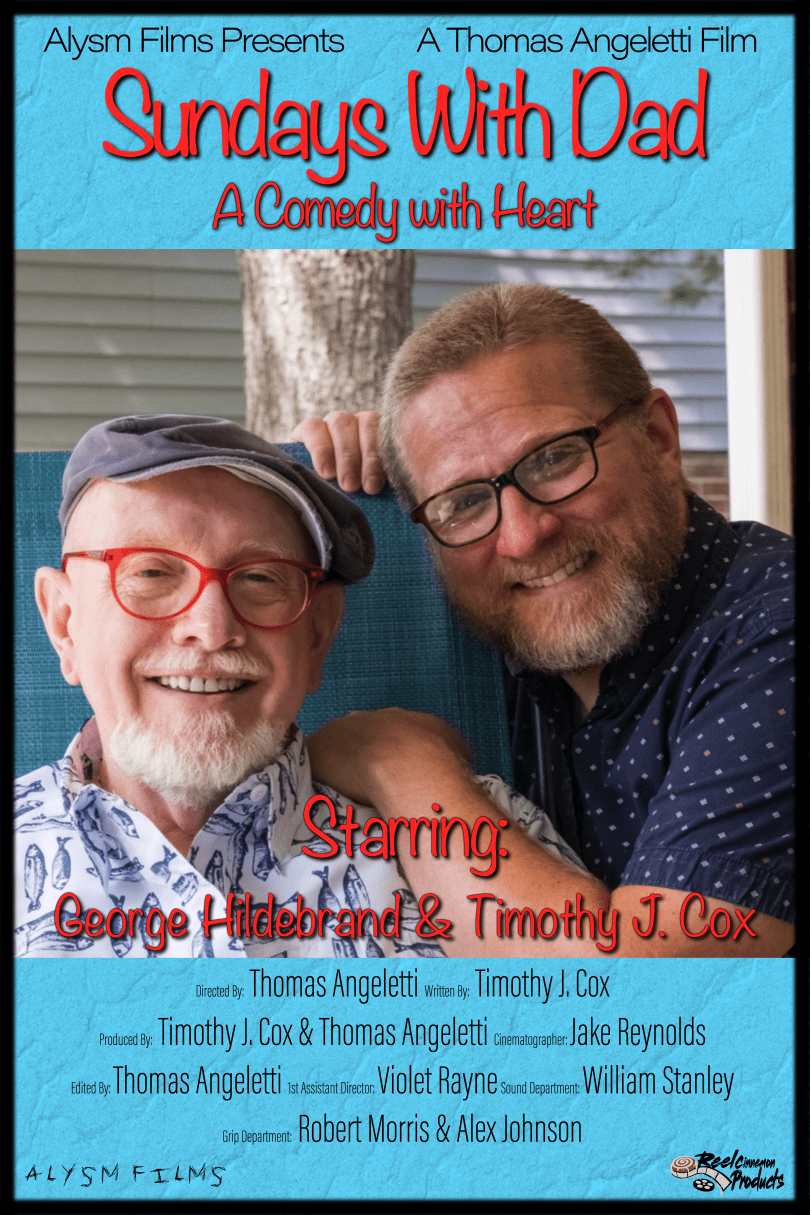
Propelled by earnest yet honest, organic, and relatable conversations destined to stir the souls of audiences of all ages and varieties, “Sundays with Dad” (2024), from writer and co-star Timothy J. Cox and director Thomas Angeletti, is easily summed up as My Dinner with Andre (1981) in a patio chair. Angeletti’s 22-minute production, like director Louis Malle’s latter-stated 110-minute triumph, are both entirely dialogue and character-driven works. Both projects also start out with casual banter. It is the type of chit-chat any passerby may encounter in almost any routine daily situation. Yet, there comes a gradual tipping point in both attempts where these discussions turn introspective, illuminating, and as emotionally frank for the main personas on the screen as they are for the viewers themselves. Such colloquial shifts give each exercise a striking undercurrent of further sincerity and quiet power. This is as universal themes, such as loneliness, companionship, and the results of change on the person in question, are tackled with the same innate successfulness both opuses executed in their earlier, more generalized deliberations. These exchanges, when combined with the similar focus in both pictures on credible leads, intimate, two-person casts, and stellar performances, make both entries uniquely timeless.
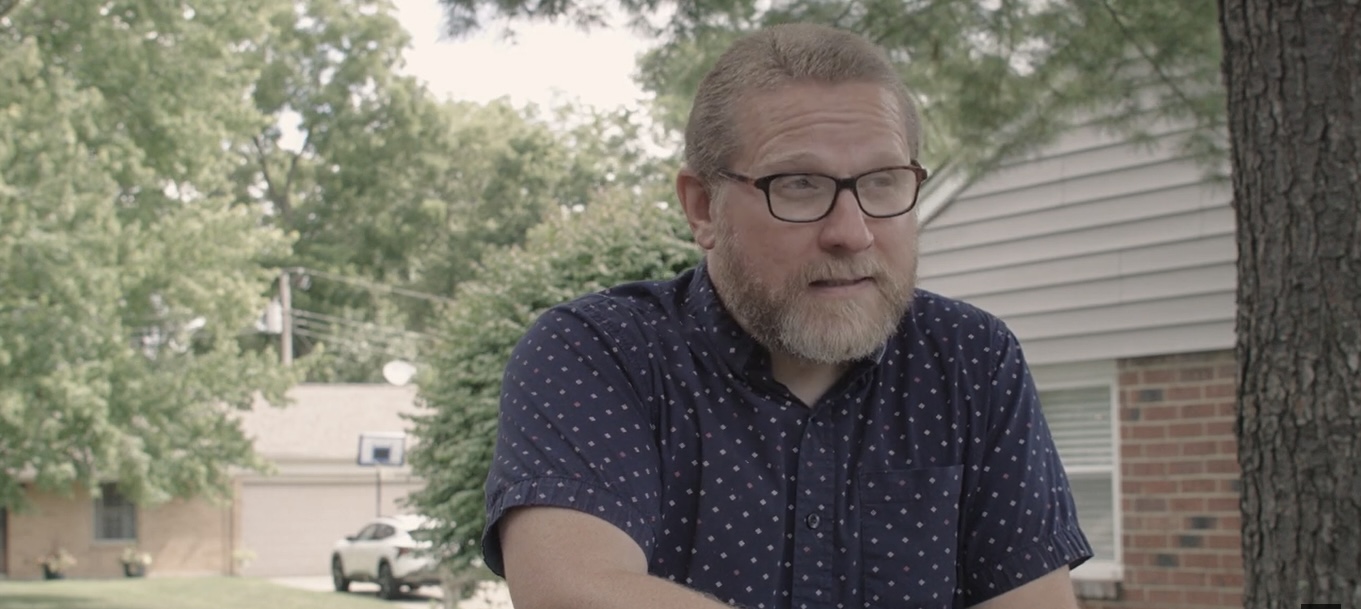
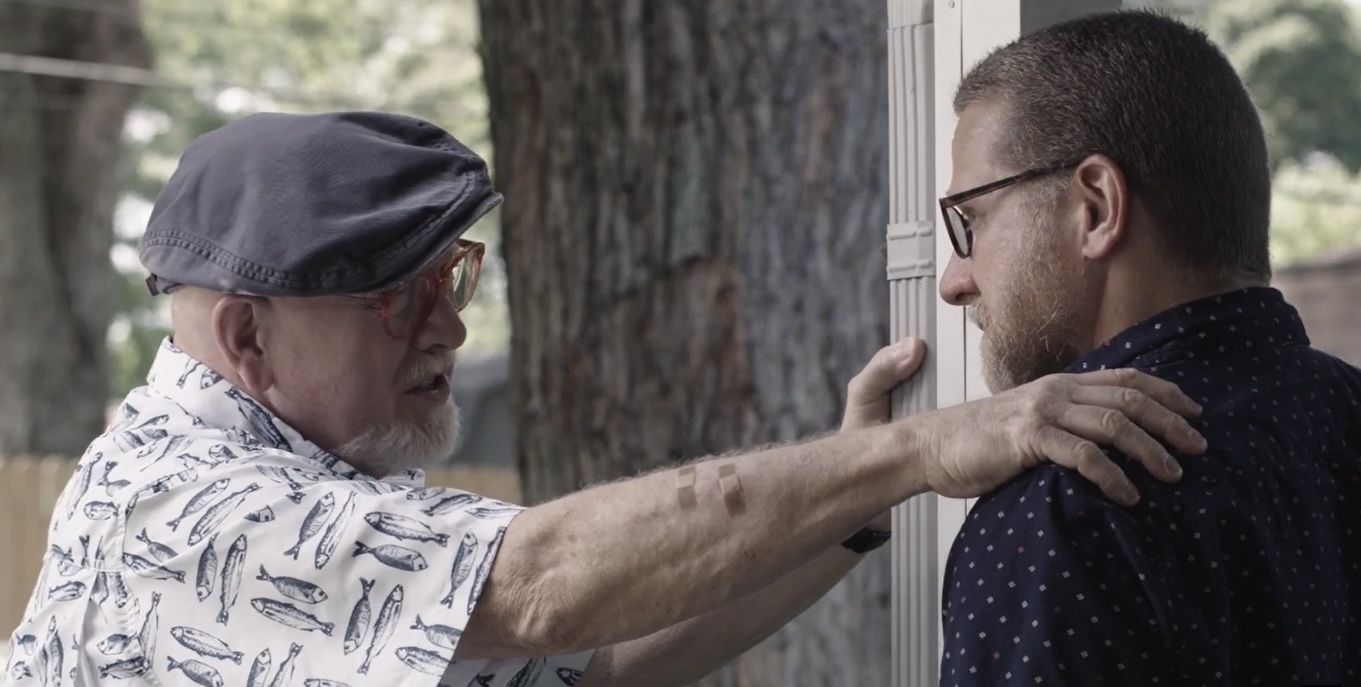
Angeletti’s endeavor concerns a widower named Ben (in a marvelous, ever-watchable turn from George R. Hildebrand). Still mourning the loss of his wife, Maggie, he finds himself looking forward to his weekly gatherings with his son, Jason (in an enactment by Timothy J. Cox that matches Hildebrand’s representation in its commanding and proficient nature), an actor whose recent material merits the funniest lines in the offering. Over time, Ben confesses to Jason that he has begun to seek out someone to cure his need for fellowship. When it is unveiled that this individual is a thirty-year-old prostitute, who is being solely utilized by Ben for the sense of camaraderie she brings and not for sexual reasons, Ben finds himself pulled into his father’s life in primarily awkward yet eventually evermore sentimentally significant ways.
Cox’s screenplay and Angeletti’s guidance of the effort are as smooth, spontaneous, and tender as both the narrative and the approach employed to convey the storyline demands. The skillfully straightforward, unshowy, and uncluttered handling of these attributes are a pitch-perfect counterpart for the overall atmosphere of the piece. These components just as deftly mirror the temperament of the heads of the tale themselves. The same can be said of the easygoing yet potent speech, pacing, and overall structure of the affair. In turn, Ben and Jason intrinsically emerge as fully developed personalities by the appropriately grounded conclusion of the undertaking.
Boosted by coolly vibrant yet down-to-earth cinematography from Jake Reynolds, who applies a veneer to the article that beautifully compliments both the tone and the intention of the composition, Angeletti’s latest opus is all-around technically superb. The editing by Angeletti is crisp and clean. The output is equally sharp in its implementation of William Stanley’s impressive sound design. Moreover, the incorporation of Stanley’s instrumental track, “Blue Skys” (2024), which is softly played throughout the venture, punctuates the breezy, dignified, thoughtful, and overall classic feel of the orchestration as a whole. This is also true of the impassioned talks revolving around music, memories, and mourning which bookend the enterprise. The simple yet stylish opening and closing credits also nicely reiterate these elements.
Like Angeletti and Cox’s prior collaboration “After” (2023), “Sundays with Dad” is a deeply human glimpse into the consequences of loss. Both chronicles are understated dramatic masterclasses which dare see their subjects through an unfiltered lens of compassion and understanding. They also never contain a moment which rings false or unmerited. In turn, these two cinematic creations prove, like My Dinner with Andre, that often the greatest special effects a fabrication of moving art can contain are a good heart and same said interchanges.
Charming, compelling, and endearingly low-key, “Sundays with Dad” is one of the best films of the year.
Protanopia (2024), the debut feature from writer-director-co-star Matthew Mahler, is a 73-minute masterwork of surreal, experimental horror. Opening with a quote from Leviticus 14:37-38 concerning the cleansing of a leprous house, the symbolism of which gives the following narrative even more of a potent punch, the picture immediately creates a sense of urgent unease. This is with its agile exploitation of noise distortion, creepy commencing credits, and various other unsettling elements. All of these components are incorporated within the first five minutes of the production.
The use of a bright, bold red in these previously stated sections, as well as throughout the totality of the undertaking, cleverly and powerfully reflect the meaning of the title word (an inability to discern the aforementioned crimson color). It also becomes a glorious beacon for the incredibly memorable and haunting imagery utilized to chilling effect in Mahler’s offering. Most impressively, the piece never loses its natural ability to evoke a dread-infused atmosphere, to surprise, or to astonish from an artistic angle with its many stylish flourishes. This is once Mahler settles down to tell his tale after these striking early segments.
Mahler’s plot involves a man, Luke (in an excellent portrayal from Anthony Carey), falling prey to bizarre dreams of an unfamiliar house once his sister, Mallory (in a wonderfully gripping depiction from James Chase), goes missing. What Luke is unaware of is that the strangely behaved Alan Roscoe, Jr. (in an ever-captivating turn from Timothy J. Cox, which ranks as one of the foremost performances from the always reliable actor) has just inherited the home after the recent passing of his father, Alan Roscoe, Sr. (in an eerie and endlessly watchable representation from John Mahler). Luke and Roscoe, Jr. will soon find their paths crossing. This is as Luke’s nightmares seem to bleed out into the open-eyed reality of his waking days.
Concluding with a skillfully underplayed, but nonetheless impactful, finale, the meticulously paced project is a smartly written and deftly directed addition to Mahler’s filmography. It’s filled with contemplative yet organic dialogue and situations. Still, some of the avant-garde ingredients, such as the strobing lights and slow-motion shots, become less engaging the more often they are applied. This is especially true in the second half of the outing. Yet, the endeavor never loses its hypnotic, vice-like spell on its audience. Moreover, the inclusion of such frequently employed constituents as the poetic, ominous voice-over from Mahler, which contain the initial bits of speech heard in the enterprise, are perpetually operative.
Much of the visual strength of the article comes from Mahler’s evocative cinematography. The color palette chosen for the photoplay alternates between foggy gray and a plethora of far more vibrant shades. All of which marvelously fit the sharply honed ambiance of the proceedings. It also gives the presentation the look of both a giallo by Dario Argento and a prototypical 1970’s grindhouse flick. Furthermore, Mahler’s implementation of appropriately moody music, proficient editing, and his stellar illustration of Jack continually enhance the quality of the fabrication.
Correspondingly, the entire cast is first rate. Paula and Barbara Mahler are terrific as Janice and Gladys, respectively. Ross Mahler is outstanding as Jim. Andrea Norell fares just as well as Vanessa. John Heerlein’s rendering of Detective is spellbinding.
Protonapia is daring and ambitious yet credible and grounded. It also demonstrates sufficiently developed yet enigmatic enough to be intriguing characters. Its themes of service, ritual, and routine are quickly established. From herein, they are woven to dramatic, bloodcurdling, relatable, and all around superb consequence.
Boosted by a remarkable exhibition of sound from Nick Bavaro and Carey, the Ronkonkoma, New York-filmed, $2,000-budgeted exercise is an intense, imaginative, and finely crafted venture. It is one that should prove inspiring to aspiring filmmakers and cinephiles alike. Mahler’s latest proudly stands alongside Cameron and Colin Cairnes’ brilliant Late Night with the Devil (2024) as a top-tier genre effort. It is also one of the ten best movies of the year so far.



 awordofdreams.com