The 55 Best Albums/ EPs of 2021

By Andrew Buckner

 *The recordings featured in this list are included based on an official 2021 release date.*

55. 30 by Adele

54. Keys by Alicia Keys

53. Cycles (Original Score) by The Alchemist

52. Blacklight by Apollo Brown, Stalley

51. Collapsed in Sunbeams by Arlo Parks

50. Yellow River Blue by Yu Su

49. Bizarre of D-12 Presents Starvin’ Artists (Mixtape) by Various Artists

48. S.O.S (EP) by Rittz

47. Turquoise Tornado by Yelawolf, Riff Raff

46. Bushido by Mello Music Group

45. Imaginary Everything by L’Orange, Namir Blade

44. If It Bleeds It Can Be Killed by Conway the Machine, Big Ghost Ltd

43. Wasteland: What Ails Our People is Clear by Lice

42. Slumafia (EP) by Yelawolf, DJ Paul

41. Squirrel Tape Instrumentals, Vol. 1 by Evidence

40. Mouse on Mars by AA1

39. Mile Zero by Yelawolf, DJ Muggs

38. Shane by Madchild

37. Gary Bartz JID006 by Gary Bartz, Adrian Younge, Ali Shaheed Muhammad

36. Maquishta by Patricia Brennan

35. The American Negro by Adrian Younge

34. Milestones (EP) by Skyzoo

33. The Plugs I Met 2 (EP) by Benny the Butcher, Harry Fraud

32. Haram by Armand Hammer, The Alchemist

31. Throw Aways 96 by Goblin

30. Sound Ancestors by Madlib

29. Season of the Se7en by Bronze Nazareth, Recognize Ali          

28. La Maquina by Conway the Machine

27. Word? by Atmosphere

26. An Evening with Silk Sonic by Silk Sonic

25. Shane 2 by Madchild

24. The Blue of Distance by Elori Saxl

23. Lovesick by Apollo Brown, Raheem DeVaughn

22. Onyx 4 Life by Onyx

21. Ghostbusters: Afterlife: Original Motion Picture Soundtrack by Rob Simonsen

20. Dumpster Juice by Bizarre

19. Exodus by DMX

18. All the Brilliant Things by Skyzoo

17. Autograph by Joell Ortiz

16. The Lost Themes III: Alive After Death by John Carpenter

15. The Last Ride by HRSMN

14. The Lunar Injection Kool Aid Eclipse Conspiracy by Rob Zombie

13. Doe or Die II by AZ

12. Big Sleepover by Big Boi, Sleepy Brown

11. Long Story Longer by Swifty McVay, Ras Kass, Yukmouth, MRK SX

10. Mudmouth by Yelawolf

9. Unlearning Vol. 1 by Evidence

8. Gotham by Talib Kweli, Diamond D

7. Super What? by Czarface, MF DOOM

6. Asin9ne by Tech N9ne

5. Call Me If You Get Lost by Tyler, The Creator

4. Summer End Café by Killah Priest

3. A Beautiful Revolution, Pt. 2 by Common

2. King’s Disease II by Nas

1. Remedy Meets Wu-Tang by Remedy, Wu-Tang Clan

The 22 Best Books of 2021

By Andrew Buckner

*The books included in this list are based on the criteria of an original publication date in 2021.*

22. My Heart is a Chainsaw

By Stephen Graham Jones

21. The Final Girl Support Group

By Grady Hendrix

20. The Scorpion’s Tail

By Douglas Preston, Lincoln Child

19. The Plot

By Jean Hanff Korelitz

18. Getaway

By Zoje Stage

17. Rovers

By Richard Lange

16. Survive the Night

By Riley Sager

15. Sooley: A Novel

By John Grisham

14. The Other Emily

By Dean Koontz

13. Bloodless

By Douglas Preston, Lincoln Child

12. Jesus: A New Vision

By Whitley Strieber

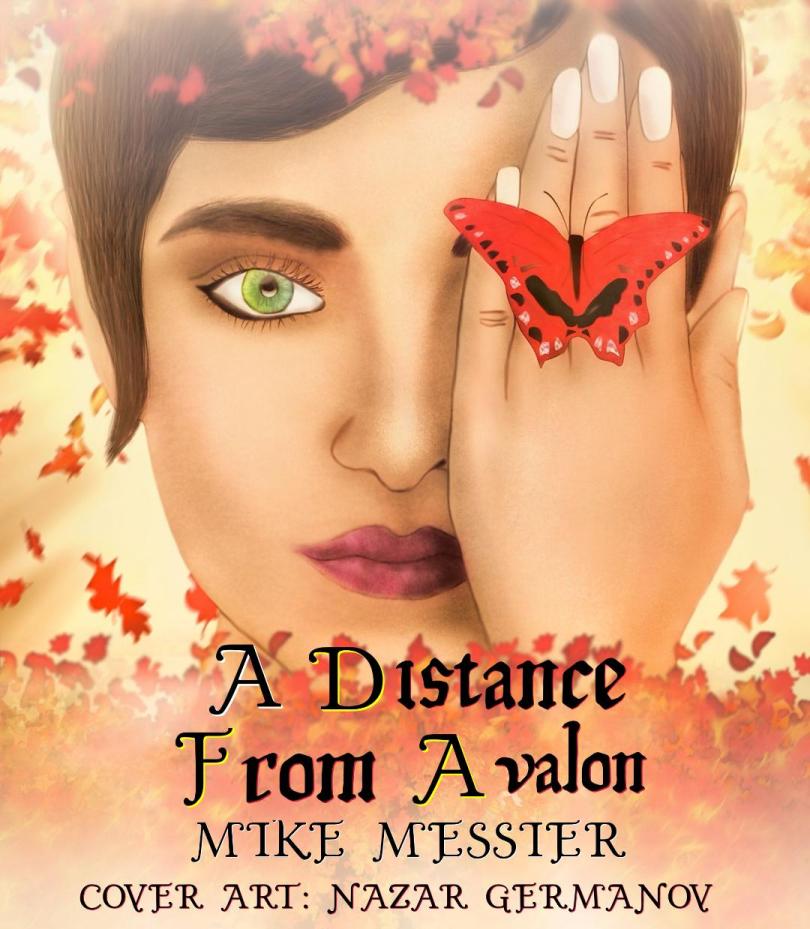
11. Distance from Avalon: When the Dying and the Young Unite

By Mike Messier

10. Because He’s Jeff Goldblum: The Movies, Memes and Meaning of Hollywood’s Most Enigmatic Actor

By Travis M. Andrews

9. Later

By Stephen King

8. The Judge’s List

By John Grisham

7. These Fists Break Bricks: How Kung Fu Movies Swept America and Changed the World

By Chris Poggiali, Grady Hendrix.

6. Starstruck: My Unlikely Road to Hollywood

By Leonard Maltin

5. Chasing the Boogeyman

By Richard Chizmar

4. Billy Summers

By Stephen King

3. A Bright Ray of Darkness

By Ethan Hawke

2. Project Hail Mary

By Andy Weir

1. Vibrate Higher: A Rap Story

By Talib Kweli

The Archivist (2021) – Movie Review

By Andrew Buckner

Rating: ***** out of *****.

The Archivist (2021), the debut feature from director Eric Hand, is a glorious tribute to the distinct storytelling mechanics, characterizations, and vibrant, eye-popping style of the grindhouse motion pictures of the 1960’s–1970’s. The 109-minute creation beautifully mirrors this most cinematic of eras through its emotionally compelling, moody, and evocative music from White Noise Generator. The aforementioned time frame is also brilliantly reflected in the stunning cinematography from Hand. It is also seen in the remarkable performances, namely Emmett Corbin as Colonel Boaz and Jennifer Giles as Mother/Agent Pope, from everyone involved in the production.

This quality is immediately evident in the superb depiction from Hand as the lead of the narrative, Agent Caulder Benson. Hand’s enactment of Benson masterfully models that of Clint Eastwood as The Man With no Name in Sergio Leone’s brilliant Dollar Trilogy. This trio of western classics included A Fistful of Dollars (1964), For a Few Dollars More (1965), and The Good, the Bad, and the Ugly (1966). What also heightens this parallel is that The Archivist was shot on restored 35mm Techniscope Arriflex cameras and lenses. These were also used in the recording of The Good, the Bad, and the Ugly. When Hand’s effort gradually aligns itself to a series of events one would associate with the previously stated Leone/Eastwood collaborations, it naturally fits the loving homage the movie mesmerizingly crafts.

Utilizing the book burning and governmental control elements of Ray Bradbury’s tour de force, Fahrenheit 451 (1953), alongside other timeless bits of science-fiction, human horror, and fantasy, Hand, who also successfully portrays Lazarus, tells the tale of Benson: a violent man whose been given the title position by an oppressive administration. Taking place in 2070, the exercise concerns Benson destroying historical remnants which are considered forbidden. In so doing, he finds out that these items seem to have a strange power over him. Filled with sudden questions and concerns about the world around him, he steals a muscle car from the 1970’s. He then heads out into the chaos of the post-apocalyptic landscape around him. Pursued by an ominous sheriff and in constant danger of the bizarre individuals he encounters, Benson searches for answers. This is while trying to escape his own past.

The Archivist is an ambitious, layered marvel of independent filmmaking. The screenplay, co-authored by Bo Gardner and Hand, is filled with tough, organic, occasionally quippy, yet often thoughtful and poetic dialogue. Such speech, along with the on-screen personalities who speak them, fit perfectly with the ambiance of a Leone/Eastwood work from nearly six decades ago. Such a design signifies that the primary personalities that dominate the piece remain enigmatic throughout the duration of the project. Regardless, this general lack of development doesn’t hinder the proceedings.

What also further strengthens the endeavor is the exceptional visual effects from Michael Crigler and Zach Hunter. They also illuminate the 1970’s veneer of the attempt. Moreover, the editing from D. Prescott Noel and Tom Marotta, makeup from Paul Moody, and set decoration by Kendall Moody are first-rate. The art direction from Ed Amantia and stunts are just as finely honed.   

Opening with an exciting, no-nonsense first act and concluding with an engrossing and quietly moving finale, The Archivist is smart, accomplished, tonally flawless, and consistently captivating entertainment. It is guaranteed to thrill both cinephiles and casual viewers alike. The action scenes are retro excellence. They are intimate and never overdone. Continually, they are also enthralling and deftly constructed. The excursion moves at a confident pace. It is never too rushed or too slow. This is ideal for the material. Hand’s undertaking incorporates social commentary into the plot just as smoothly as it does its high-level of audience involvement. In turn, The Archivist is one of the most impressive photoplays I have seen all year. It is a true fabrication of celluloid art. Particularly, one that will prove to be as enduring as the legendary ventures from which it takes such fervent notes.

Blu-rays for The Archivist can be found at http://thearchivistmovie.com/.

THE 25 BEST ALBUMS OF 2021 (SO FAR)

By Andrew Buckner

*The Inclusion of these albums in this list is based on an official initial 2021 release date.

25. Haram by Armand Hammer, The Alchemist

24. Turquoise Tornado by Yelawolf, Riff Raff

23. Bushido by Mello Music Group

22. Imaginary Everything by L’Orange, Namir Blade

21. If It Bleeds It Can Be Killed by Conway the Machine, Big Ghost LTD.

20. The Plugs I Met 2 by Benny the Butcher, Harry Fraud

19. Wasteland: What Ails Our People is Clear by Lice

18. Mouse on Mars by Aa1

17. Slumafia by Yelawolf, DJ Paul

16. Maquishta by Patricia Brennan

15. The American Negro by Adrian Younge

14. Season of the Se7en by Bronze Nazareth, Recognize Ali

13. Mile Zero by Yelawolf, DJ Muggs

12.  Gary Bartz JID006 by Gary Bartz, Adrian Younge, Ali Shaheed Muhammad

11. Sound Ancestors by Madlib

10. ONYX 4 LIFE by Onyx

9. The Blue of Distance by Elori Saxl

8. The Lost Themes III: Alive After Death by John Carpenter

7. La Maquina by Conway the Machine

6. Soulful Distance by Devin the Dude

5. Mudmouth by Yelawolf

4. The Lunar Injection Kool Aid Eclipse Conspiracy by Rob Zombie

3. Gotham by Talib Kweli, Diamond D.

2. Super What? by Czarface, MF DOOM

  1. Exodus by DMX

“A Distance from Avalon” (2021) By Mike Messier – Book Review

By Andrew Buckner

Rating: ***** out of *****.

A Distance from Avalon (2021), the debut novella from fellow filmmaker and critic Mike Messier, is a refreshingly subtle and philosophical take on the vampire saga. In a compact and complex ninety-seven pages, Messier weaves the tale of two educators, Joe Humble and a young music instructor by the name of Shadow. Pairing up to enjoy a late October Friday Night, the duo arrives at an ominous mansion entitled Avalon. From herein, the hosts seduce and separate the guests. Immediately afterward, the visitors willingly follow the mysterious figures to separate rooms. At a point near the central mark, the narrative crafts a superb balance of introspection and intrigue. It is one which lasts the remainder of the volume. This is as the leads and their partners for the night gradually unveil secret and sentimental elements of themselves.

What is immediately striking about the tome is that Messier’s screenwriting roots are much intact. For example, the whole book is composed of brief chapters. These sections range mainly from one to two pages. They are so vividly written, yet efficient, that they could easily be scenes in a film. Additionally, every scrap of dialogue reads like a line of poetry: Beautiful, thoughtful, and as economical as the segments in which they are unified.

Messier’s characters, all of whom are terrifically formed and whose monikers greatly enhance the figurative essence of the effort, are equally captivating. They are all distinct, yet intelligent and credible. The individuals who dominate A Distance from Avalon are also enigmatic and insightful. They are well-established components that constantly elucidate the classic, sophisticated atmosphere of the project in spellbinding fashion. Messier uses them to discourse on religion, love, time, mankind, art, and a myriad of related subjects. This is in a way that is intellectually stimulating without appearing unnatural. It is also executed via a method that does not take away from the propulsion of the smoothly paced narrative.

I admired the manner with which Messier frequently avoids the tropes often attributed to such tales of bloodthirsty creatures. What is utilized of these bits is enough to establish a knowledge of the lore of these nocturnal entities. Instead of relying on this heavily, as an easy act of recognition hinging on events the audience has perused in other such exercises, Messier uses this foundation to forge his own path. In turn, this helps build a far more surprising and satisfying story.

In the work, Messier showcases a deft command of tying together all the fine details he has dispersed throughout the enterprise. This is most notable in the finale. In this climactic bit, Messier brings all the cumulative mystery, symbolism, and restraint that he exhibited throughout the endeavor to a compelling and appropriate punctuation point. It is one of the various signs ceaselessly at play of his knack for spinning an exemplary account.

There are also many sly references to the cinema of Messier expertly woven into the volume. The most obvious of these is his phenomenal forty-minute short documentary on the creative process, “Disregard the Vampire” (2017). His brief, and equally good, Fantasy tale, “The Nature of the Flame” (2014), are just as cleverly addressed. These winks at the reader are incredible. This is especially when considering how they organically derive from the attempt. They also operate just as significantly as world-building in the collective universe of Messier’s artistic ventures.

Graced by eye-popping and gorgeous cover art from Nazar Germanov, A Distance from Avalon is an all-around brilliant publication; a literary four-course meal. It is driven by a fantastic plot. Such is one that is given depth and dimension by Messier’s cerebral and refined writing abilities. The piece is intimate, open, ambitious, smartly structured, and perfectly told. Messier has constructed a sensational world of nuance and underlying fear. Masterful in all arenas, the power of this dignified beast is impossible to ignore.

A Distance from Avalon can be purchased in Kindle eBook or paperback format here.

“Making and Unmaking” (2020) – Movie Review

By Andrew Buckner

Rating: ***** out of *****.

In the opening scene of Making and Unmaking, a fantastic and fascinating 62-minute documentary from directors Shaun Rose and Andrea Stangle, Rose speaks of the aspects of his equally captivating debut feature, the “meant to be semi-autobiographical” Upstate Story (2018). He also conveys how the endeavor would become “more truth than fiction”. Herein, he also speaks of his worries of the 60-minute Drama failing. Furthermore, he communicates how this would reflect his own alleged shortcomings.

The honesty with which Rose addresses these feelings and ideas immediately spoke to me as a fellow filmmaker who, admittedly, has my own share of self-doubt in relation to my own work. It is this nature of personal reflection and frankness that is perceivable within every frame of this brilliant and heartfelt project. This is also a glimpse into the myriad reasons why this is essential viewing for any creative-minded individual. It is because a great number of the shortcomings in the artistic process Rose addresses throughout the undertaking, especially early-on, are universal. They will undoubtedly hit home, perhaps uncomfortably at times, for many. Such occurrences help make Rose a relatable and engaging figure throughout the entirety of the endeavor.

Making and Unmaking concerns the triumphs and downfalls, both personally and artistically, Rose experienced while preparing Upstate Story. It also recalls the ups and downs in offering the picture to the film festival circuit. The exercise also goes into intriguing detail on an unfinished film called “Dog Day” (2012-2013), which was stated to be about the technological swing in society. We also get several equally intriguing glimpses into other shorts Rose crafted before Upstate Story. These behind-the-scenes bits, which come largely in the first half of Making and Unmaking, are wonderful. They are quietly touching in their intimacy.

Making and Unmaking benefits from its uniquely independent movie look and tone. This is reflected via the excellent and appropriate-for-the-endeavor cinematography from Rose and Stangle.  Moreover, the interviews and archive footage heighten the emotional intensity and compulsively watchable essence of the production. The script for the endeavor, credited to Bruce Rose Sr. as well as Shaun Rose and Stangle, is well-structured and penned. Continually, the direction from Rose and Stangle is equally deft.

Recorded in New York and made on a reported budget of a mere $500, Making and Unmaking is constantly admirable in the way it handles its complex entanglement of themes and sentiment. Additionally, it is efficient and nicely paced. The attempt evenly balances all that it offers audiences. In turn, the virtuoso effort is also a refreshing affirmation of encouragement. While portraying the numerous avenues of excitement and irritation a single fabrication of imagination can make an individual go through, it, ultimately, showcases the light of joy that radiates when the construction is given to the world and praised. In this respect, as well as all the other regards previously mentioned, Making and Unmaking is a masterpiece; a cinematic four-course meal. It is a must-see which every viewer can somehow grow from and utilize in their own lives. 

The 21 Best Short Films of 2020

By Andrew Buckner

*The inclusion of the short films on this list is based on the criteria of an initial 2020 U.S. release date.

21. “For Milo”
Director: Matthew Gilpin.

20. “Rotten Magnolia”
Director: Tracy Huerta.

19. “Hollow”
Director: Max Buttrill.

18. “Private”
Director: Steve Blackwood.

17. “The Nurturing”
Director: Alex DiVincenzo.

16. “A Rock Feels No Pain”
Directors: Gabrielle Rosson, Kris Salvi.

15. “The Never Was”
Director: Mike Messier.

14. “Exeter at Midnight”
Director: Christopher Di Nunzio.

13. “Waffle”
Director: Carlyn Hudson.

12. “Dear Guest”
Director: Megan Freels Johnston.

11. “Thankless”
Director: Mark Maille.

10. “Wives of the Skies”
Director: Honey Lauren.

9. “Stuck”
Director: Steve Blackwood.

8. “The Dirty Burg”
Director: John Papp.

7. “Being Kris Salvi”
Director: Gabrielle Rosson.

6. “Voices from the Invisible”
Director: Miriam Revesz.

5. “Salvation”
Director: Gabrielle Rosson.

4. “Priest Hunter”
Director: Skip Shea.

3. “Fire (Pozar)”
Director: David Lynch.

2. “Gay as the Sun”
Director: Richard Griffin.

1. “Yesteryear”
Director: Chris Esper.

The Andrew Buckner/AWordofDreams Fall 2020 Short Film Festival- Film #2: “Scary Little F*****s (A Christmas Movie)” (2015)

By Andrew Buckner

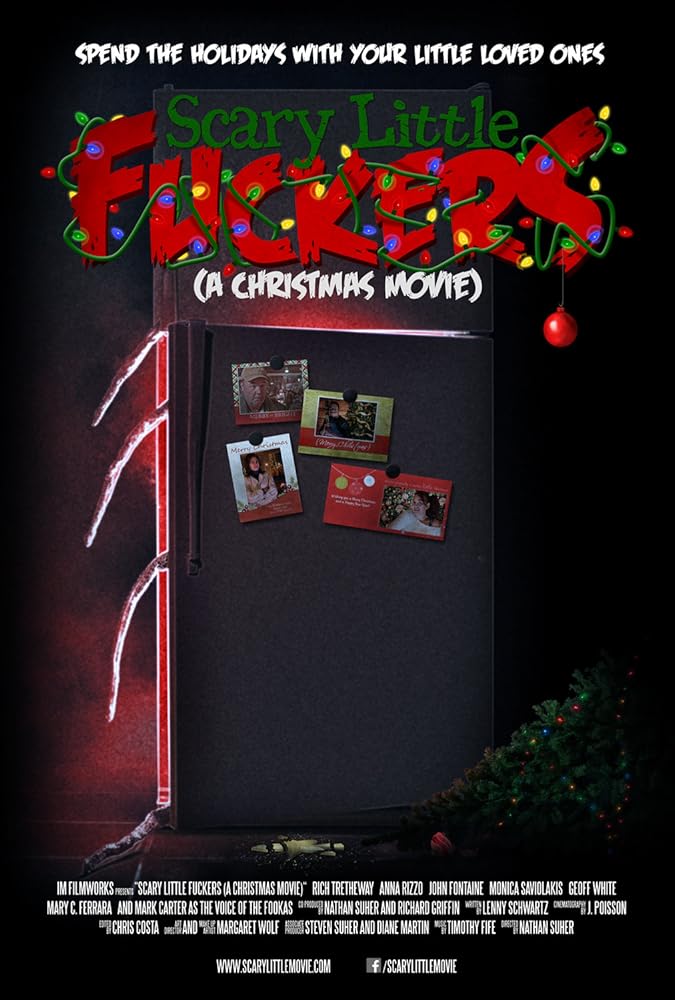
The Andrew Buckner/ AWordofDreams Fall 2020 Short Film Festival continues with the second project in the thirteen-part online collection: “Scary Little F*****s (A Christmas Movie)” (2015).

Cleverly directed by Nathan Suher and written by Lenny Schwartz, the 23-minute and 33-second work is a tremendously entertaining riff on Joe Dante’s endearing masterpiece Gremlins (1984). It features enjoyable and all-around terrific lead performances from Anna Rizzo,  Josh Fontaine and Rich Tretheway.

My full review of the film can be found here at the link below.

https://awordofdreams.com/2015/11/14/scary-little-fckers-a-christmas-movie-short-film-review

Synopsis:

It’s Christmas eve. An inebriated dad brings home to his adolescent son a gift he hopes will mend their faltering relationship, a Fookah, a devilish and disgusting creature that in turns wrecks havoc on their lives.

Official Trailer:

Vimeo Link for the Film in Full:

*All films in this festival were used with the kind permission of the filmmakers themselves.

31 Years of Horror in 31 Days: A Halloween Must-Watch List

By Andrew Buckner

The following is a list of thirty-one horror films. This is with one genre selection, some independent and some mainstream, from each of the past thirty-one years. Each feature, all of which comes with my highest of recommendations, is supposed to represent one of the thirty-one days in October. It is also meant to be a must-watch horror list where one movie is viewed per day of the month. This is to create the ultimate AWordofDreams/ Andrew Buckner approved Halloween film festival.

Without further ado, here is the list in its entirety.

Tetsou: The Iron Man (1989)
Director: Shinya Tsukamoto.

Gremlins 2: The New Batch (1990)
Director: Joe Dante.

Nekromantic 2 (1991)
Director: Jorg Buttgereit.

Dead Alive (1992)
Director: Peter Jackson.

Fire in the Sky (1993)
Director: Robert Lieberman.

Serial Mom (1994)
Director: John Waters.

Castle Freak (1995)
Director: Stuart Gordon.

The Stendhal Syndrome (1996)
Director: Dario Argento.

The Wax Mask (1997)
Director: Sergio Stivaletti.

Bride of Chucky (1998)
Director: Ronny Yu.

Stir of Echoes (1999)
Director: David Koepp.

Ginger Snaps (2000)
Director: John Fawcett.

Frailty (2001)
Director: Bill Paxton.

May (2002)
Director: Lucky McKee.

High Tension (2003)
Director: Alexandre Aja.

Saw (2004)
Director: James Wan.

Land of the Dead (2005)
Director: George A. Romero.

Bug (2006)
Director: William Friedkin.

Inside (2007)
Directors: Alexandre Bustillo, Julien Maury.

The Strangers (2008)
Director: Bryan Bertino.

Antichrist (2009)
Director: Lars von Trier.

The Loved Ones (2010)
Director: Sean Byrne.

The Human Centipede II (Full Sequence) (2011)
Director: Tom Six.

Sinister (2012)
Director: Scott Derrickson.

The Conjuring (2013)
Director: James Wan.

Goodnight Mommy (2014)
Directors: Severin Fiola, Veronika Franz.

The Witch (2015)
Director: Robert Eggers.

Raw (2016)
Director: Julia Ducournau.

Mother! (2017)
Director: Darren Aronofsky.

Antrum: The Deadliest Film Ever Made (2018)
Director: David Amito, Michael Laicini.

Doctor Sleep (2019)
Director: Mike Flanagan.

I’m Thinking of Ending Things (2020)
Director: Charlie Kaufman.

“Salvation” – (Short Film Review)

By Andrew Buckner

Rating: ***** out of *****.

Stylishly and strikingly directed by Gabrielle Rosson, “Salvation” (2020) brilliantly captures the look and feel of its summer of 1957 setting. Based an original script entitled “Fink” by actor Kris Salvi, the twelve-minute short film never wavers as a masterclass in elegant Martin Scorsese-like mood. Briskly paced and fluently entertaining, the project benefits from the natural on-screen chemistry, likability, and overall marvelous performances from leads Justin Thibault (as Santo) and Salvi (as Salvatore). Further benefitted by often cryptic dialogue, especially in the masterfully done diner sequences which take up the bulk of the effort, Thibault and Salvi command every bit they are in together.

The plot revolves around the consequences of a grim past affecting the present state of long-time friends Salvatore and Santo. Rosson’s rich screenplay takes what could have been a relatively straightforward narrative and gives it intimacy, depth, and complexity. The endeavor never loses its eye on the central figures. Best of all, it smartly develops Salvatore and Santo in a largely banter-driven manner. It is one which is, like the entirety of the attempt, both slick and engaging.

What also helps the work become so magnificent and robust is the colorful, eye-popping cinematography by Manx Magyar. Additionally, Ian Rashkin’s music is superb. It suits the smooth attitude of the exercise terrifically well. Michael Hansen and Rosson’s editing is pitch perfect. The same can be said of Kimmi Monteiro’s set decoration. The fleeting turns from Paul Kandarian as Ciro and Sarah Morse as Bambi are just as effective. The opening, especially the early black and white portion which perfectly reflects the decade appropriate flair of the narrative, and concluding credits are visually remarkable bookends to the undertaking. What is just as noteworthy is the climax of the venture. It is beautiful and violent in equal measure.

In turn, “Salvation” is classy, sophisticated, and brooding. It is a bullseye of talent in front of and behind the camera. Like Rosson’s previous brief picture, “Being Kris Salvi” (2020), it stands as one of the greatest narratives of its type of the year. Similarly, it continues to establish Rosson as a fantastic moviemaker with a firm grasp of the medium. “Salvation” is highly recommended viewing.